Strength Training for Women: A Complete Guide to Getting Stronger & Healthier
Quick Navigation
Let's be real. The world of strength training for women is a confusing one. One minute you're told lifting weights will make you bulky, the next you're told it's the secret to a fast metabolism. You see incredible transformations online, but then you walk into a gym and the weight room seems like foreign territory, full of grunting and clanging metal.
I get it. I was there too. I spent years glued to the cardio machines, terrified of venturing near the dumbbells. My first foray into strength training was a mess of half-remembered magazine exercises and zero plan. It felt awkward, and I saw no results, so I quit. Sound familiar?
It wasn't until I ditched the fear and the bad advice that things clicked. And guess what? It changed everything—not just my body, but my energy, my confidence, even how I handled stress. This guide is everything I wish I'd known back then, stripped of the nonsense and focused on what actually works.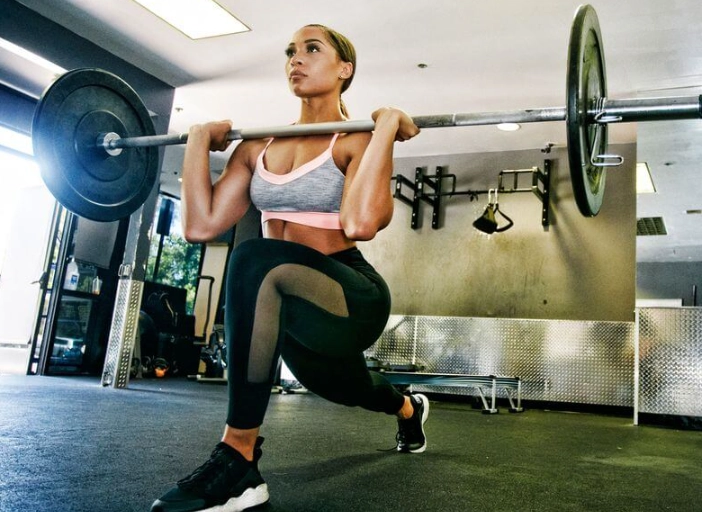
Here's the truth bomb: Strength training is one of the most powerful things a woman can do for her long-term health. We're not talking about getting "shredded" (unless you want to, which is cool too). We're talking about building a body that's resilient, functional, and strong for decades to come.
Why Bother? The Real Benefits Beyond the Scale
Forget aesthetics for a second (we'll get there). The core reasons to embrace strength training are about how you feel and function.
- Bone Density Supercharger: As women age, especially post-menopause, bone loss becomes a serious concern. Weight-bearing exercise is like sending a construction crew to your bones. Organizations like the National Osteoporosis Foundation consistently recommend strength training as a key preventative strategy. You're literally building a stronger skeleton.
- Metabolism on Fire: Muscle is metabolically active tissue. The more you have, the more calories your body burns at rest. This doesn't mean you get to eat an entire pizza guilt-free every day, but it does mean your body becomes more efficient at managing energy. It's a long-term investment in a more resilient metabolism.
- Functional Strength for Real Life: Carrying groceries, lifting a toddler, hauling a suitcase, moving furniture—this is life. Strength training makes these daily tasks easier and reduces your risk of injury. It's about practicality.
- Mental Fortitude: There's something uniquely powerful about lifting a weight you couldn't lift last month. It builds a kind of confidence that spills over into everything else. The focus required is also a fantastic stress reliever.
And yes, it shapes your body. But it creates a strong, defined look, not a bulky one (the whole "bulking" fear is a massive myth we're about to destroy).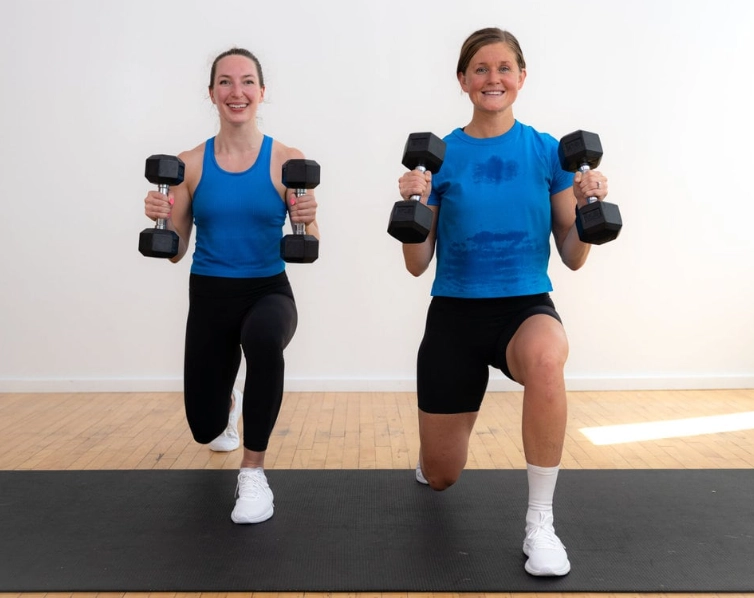
Busting the Big Myths Holding You Back
"I'll Get Bulky"
This is the granddaddy of all myths. Building massive amounts of muscle is incredibly difficult for women. We have significantly lower levels of testosterone than men, which is the primary hormone driving that kind of hypertrophic growth. What you see in female bodybuilding requires years of extremely dedicated, specific training and nutrition. Lifting weights 2-4 times a week? That's going to build lean, dense muscle that gives you shape and definition, not bulk. You'll look tighter, not bigger.
"Cardio is Better for Fat Loss"
Cardio burns calories in the moment. Strength training builds a machine (your body) that burns more calories all the time. The best approach? A combination. But if you only have time for one, the long-term metabolic advantage of strength training is hard to beat. Harvard Health Publishing often highlights the superior fat-loss and health benefits of combining strength with cardio compared to cardio alone.
"I'm Too Old to Start"
It's never too late. In fact, it might be more important. Research shows even women in their 70s and 80s can build muscle and dramatically improve strength, balance, and independence through resistance training. You start where you are, with what you can do.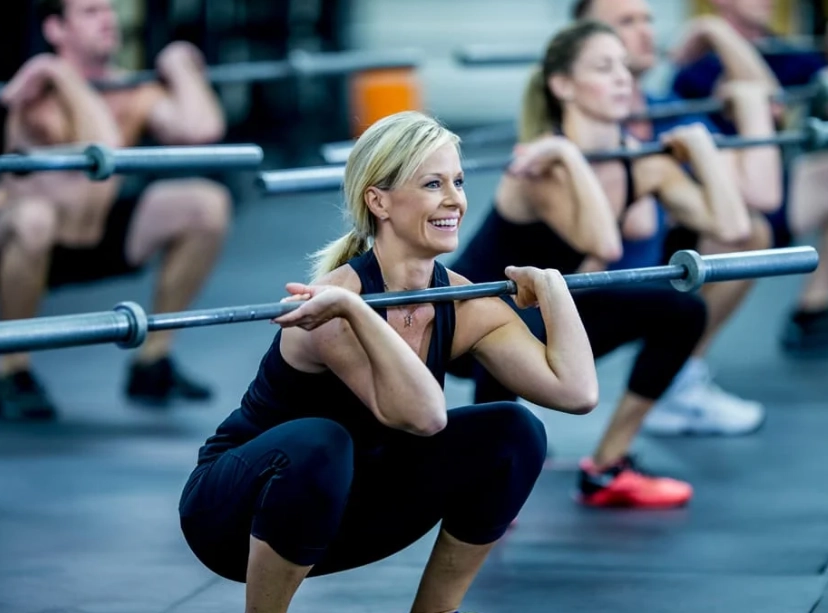
Okay, I'm Convinced. Where Do I Even Start?
This is where most guides get overly complex. Let's simplify. Your first mission is to learn a handful of fundamental movement patterns. Master these, and you can build endless workouts.
Personal Gripe: I hate seeing beginners handed a list of 15 isolated machines. It's confusing and ineffective. Learn the big moves first. The bicep curls can wait.
Here are the foundational movement patterns for effective strength training for women:
- Squat: The queen of lower body exercises. Think sitting back into a chair.
- Hinge: This is the deadlift pattern. Bending at the hips, not the lower back. Picking something up off the floor correctly.
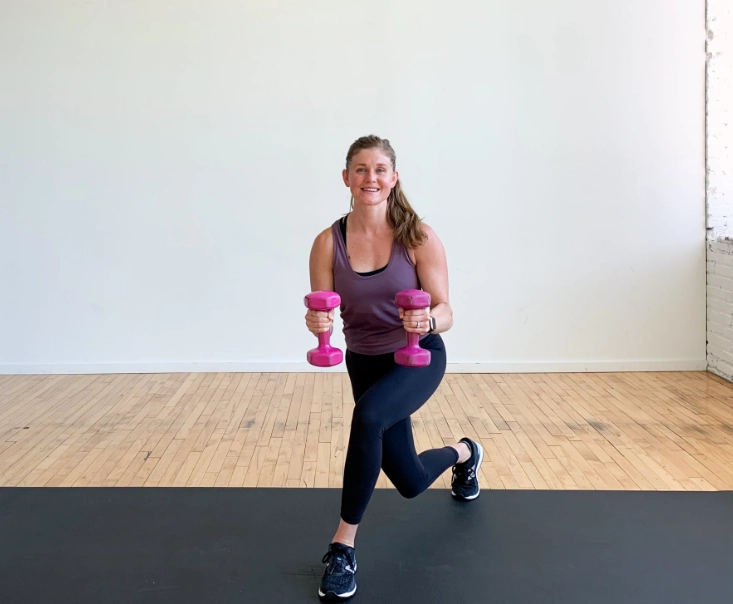
- Lunge: A single-leg strength and stability monster.
- Push: Pushing something away from you (push-ups, overhead press).
- Pull: Pulling something toward you (rows, lat pulldowns).
- Carry: Holding weight and walking. Simpler than it sounds and fantastic for core and posture.
See? Six patterns. Your entire workout can be built around these.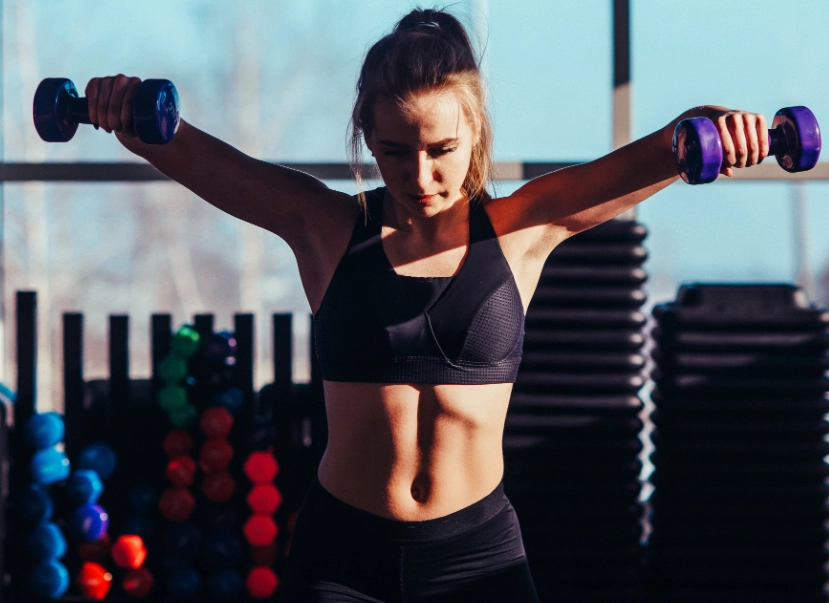
Your First Simple Workout Plan
Aim for 2-3 non-consecutive days per week. Here's a template for a full-body session. Do each exercise for 2-3 sets of 8-12 repetitions. Choose a weight where the last 2 reps feel challenging but you can still maintain good form.
| Exercise (Pattern) | How-To & Tip | Beginner Option |
|---|---|---|
| Goblet Squat (Squat) | Hold one dumbbell vertically against your chest. Sit back and down. | Bodyweight squat, or squat to a bench. |
| Dumbbell Romanian Deadlift (Hinge) | Hold dumbbells in front of thighs. Push hips back, keep back flat. Feel the stretch in your hamstrings. | Bodyweight hinge, or use a light kettlebell. |
| Dumbbell Bench Press (Push) | Lie on a bench, press dumbbells up from chest. | Push-ups from your knees, or wall push-ups. |
| Bent-Over Dumbbell Row (Pull) | Hinge forward, back flat. Pull dumbbells to your ribcage. | Seated cable row machine, or banded rows. |
| Plank (Core) | Hold a straight line from head to heels. Don't let hips sag. | Plank from knees, or hold for shorter time (20-30 sec). |
That's it. Do this 2-3 times a week, focus on adding a little weight or an extra rep over time, and you are officially doing legitimate strength training for women.
Navigating Common Questions & Sticking Points
- Home: Requires minimal equipment: a set of adjustable dumbbells, a resistance band, and a mat can take you very far. The convenience can't be beaten. The downside? It's easier to get distracted.
- Gym: More equipment, more options (barbells, machines, cables). The environment can be motivating. It can also feel intimidating. My advice? Go during off-peak hours at first, put in headphones, and focus on your plan. Most people are too focused on themselves to notice you.
Leveling Up: Beyond the Beginner Phase
After a few months of consistent full-body workouts, you might want to specialize a bit. This is where splitting your training can help.
Sample Split: Upper Body Day (Push/Pull exercises), Lower Body Day (Squat/Hinge/Lunge), and a Full Body or Conditioning Day. This allows you to hit each muscle group with more volume and intensity.
You might also explore barbell training. Movements like the barbell back squat, bench press, and deadlift are incredibly effective because they allow you to load more weight progressively. Don't be scared of them. Learn the form (consider a session with a trainer), start with just the bar, and build from there.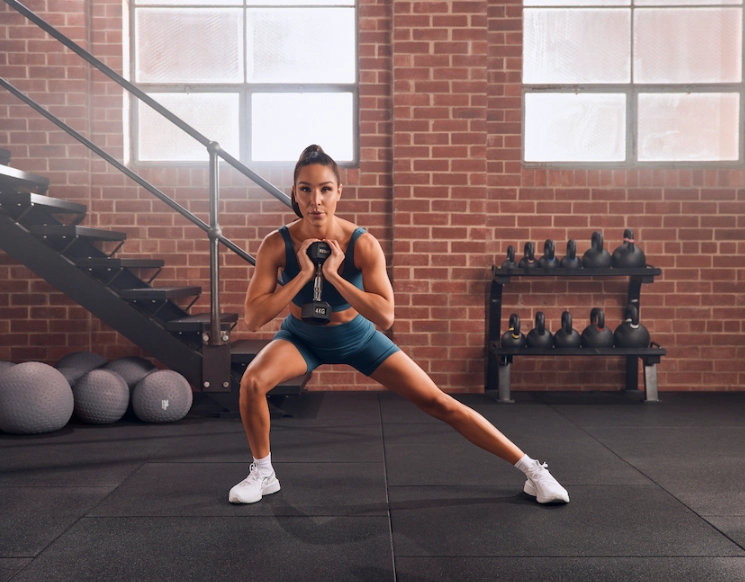
The Other Half of the Equation: Nutrition & Recovery
You can't out-lift a poor diet, especially for women with specific goals. This isn't about extreme restriction.
- Protein is Priority: Muscle is built from protein. Aim for a source (chicken, fish, eggs, tofu, lentils, protein powder) with every meal. A general target is 0.7-1 gram per pound of body weight daily. This was the single biggest change that helped me recover better and see more definition.
- Don't Fear Carbs: Carbohydrates fuel your workouts. Include smart carbs like sweet potatoes, oats, fruit, and quinoa, especially around your training time.
- Sleep is Non-Negotiable: This is when your body repairs muscle and regulates hormones (like cortisol and growth hormone). Skimping on sleep sabotages your efforts in the gym. Aim for 7-9 hours.
- Listen to Your Hunger: Strength training can increase appetite. That's normal. Feed your body quality food. If your goal is fat loss, a modest calorie deficit is needed, but it shouldn't leave you constantly drained and hungry.

Pulling It All Together
Look, strength training for women isn't a punishment or a chore you have to endure to look a certain way. It's a skill. It's a form of self-care that pays dividends in strength, health, and confidence for your entire life.
You don't need to be perfect. You just need to start, be consistent, and be patient. Some days you'll feel weak, some days you'll surprise yourself. That's all part of it.
Forget the noise, forget the Instagram comparisons. Your journey is yours. Pick up a weight today—even if it's just a gallon of water or a pair of light dumbbells. Do ten squats. Do a plank. That's it. You've started.
The strongest version of you is waiting. Go build her.
POST A COMMENT