Women's Sleep Problems: Real Reasons & Practical Solutions That Actually Work
Let's be honest. How many of you have spent hours staring at the ceiling, mind racing, while the rest of the house is dead quiet? You're exhausted, but sleep feels like a distant country you can't get a visa to. You're not alone. Honestly, it feels like an epidemic sometimes. Women's sleep problems are a massive, often dismissed, part of daily life for millions. It's not just "having trouble sleeping." It's a complex soup of biology, stress, hormones, and modern life that leaves us running on fumes.
I remember talking to a friend last month. She's a brilliant, capable project manager. "I function," she said, "but it's like my brain is coated in fog by 3 PM. I go to bed tired, wake up at 2 AM for no reason, and that's it. Game over." Sound familiar? This isn't about willpower or drinking more chamomile tea. The reasons behind sleep disorders in women are deeply rooted and, frankly, the standard advice often misses the mark completely.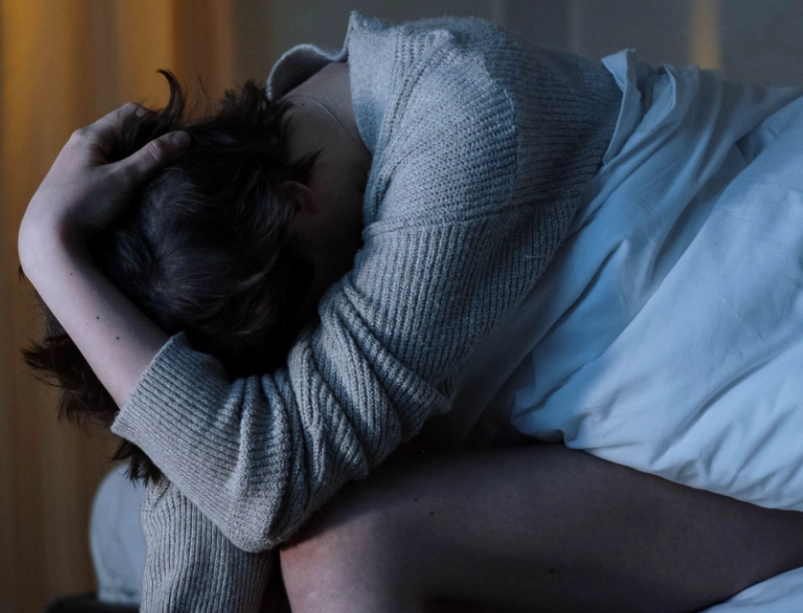
The Hormonal Symphony (And When It Plays Out of Tune)
If we're going to understand women's sleep problems, we have to start with hormones. It's the elephant in the room. Estrogen and progesterone aren't just for reproduction; they're master regulators of everything, including sleep.
Estrogen generally promotes REM sleep (the dream stage, crucial for memory and mood) and helps regulate body temperature. Progesterone has a calming, sedative-like effect. When they're in balance, it's great. But their levels are constantly shifting.
The Monthly Cycle Rollercoaster
During the follicular phase (right after your period), estrogen rises alone. Some women sleep great here. Then, after ovulation, progesterone joins the party. This can make you feel sleepier initially, but the rapid rise and fall of both hormones in the days before your period can be disastrous for sleep. Ever had a week of perfect sleep followed by a week where you feel wired and tired? That's likely why.
Premenstrual sleep issues are real. It's not just cramps keeping you up. It's anxiety, bloating, temperature sensitivity, and sometimes even restless legs syndrome flaring up. Calling it "PMS insomnia" doesn't make it less valid.
Pregnancy and Postpartum: The Ultimate Sleep Disrupter
Calling pregnancy a time of "sleep disturbances" is the understatement of the century. The first trimester brings crushing fatigue (thanks, progesterone) but also frequent nighttime urination. The second trimester might offer a brief respite. Then the third trimester hits: heartburn, leg cramps, a baby practicing karate, and the sheer physical discomfort of finding a position. Sleep becomes a series of uncomfortable naps.
And postpartum? Forget it. The sleep fragmentation is brutal, designed to keep you alert to your newborn's needs. But this disruption can lay the groundwork for long-term insomnia patterns if not managed carefully. The problem isn't just the lack of sleep; it's the consolidation of sleep that gets shattered.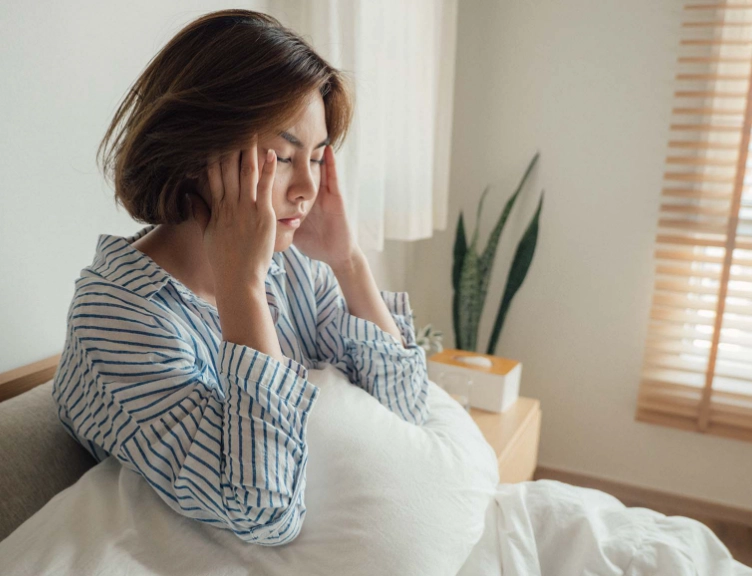
Perimenopause and Menopause: When the Floor Falls Out
This is where women's sleep problems often intensify dramatically. Perimenopause can last for years, and the declining, fluctuating hormones are a direct attack on sleep architecture.
Declining estrogen also makes women more susceptible to sleep-disordered breathing, like sleep apnea, which is massively underdiagnosed in women because the symptoms (fatigue, mood changes, insomnia) are often blamed on hormones or stress.
I think one of the biggest failures in how we talk about this is treating it as an inevitable "phase" to suffer through. It's a physiological change that requires physiological and behavioral strategies.
Beyond Hormones: The Mental and Lifestyle Quicksand
Okay, biology sets the stage. But modern life writes the script. Even without hormonal issues, the deck is stacked against women getting quality sleep.
The Never-Off Brain
Anxiety and depression are key players in insomnia, and women are diagnosed at higher rates. But it's more than a diagnosis. It's the mental load. Lying in bed, your brain decides it's the perfect time to: remember you need to schedule the dog's vet appointment, worry about a work email, plan tomorrow's dinner, and wonder if you're a good enough parent/partner/daughter.
This "cognitive hyperarousal" is a hallmark of insomnia. Your brain's threat detection system is stuck in the "on" position. It thinks there's danger (unfinished tasks, social friction, future worries), so it won't let you enter the vulnerable state of sleep. Telling someone with this issue to "just relax" is like telling a drowning person to just swim.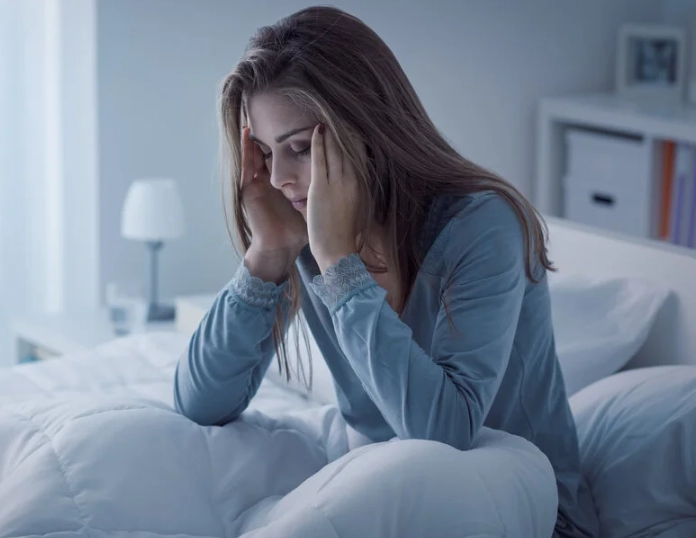
Social Roles and The Second Shift
Even in more equitable households, studies consistently show women take on more of the cognitive and emotional labor of the home and family. This "second shift" eats into personal wind-down time. While a partner might relax after dinner, a woman might be doing laundry, helping with homework, or planning the next day. That precious buffer zone between daily stress and bedtime gets erased.
Light, Screens, and Schedule Chaos
We all know blue light is bad, but the effect might be more pronounced for women. Some research suggests women's circadian rhythms are slightly more sensitive to light cues. That late-night scrolling in bed isn't just keeping you awake with content; it's directly telling your pineal gland to hold off on melatonin production.
Irregular schedules, especially for shift workers, are a nightmare for anyone's sleep, but they can be particularly harsh on women's physiology, further disrupting delicate hormonal rhythms.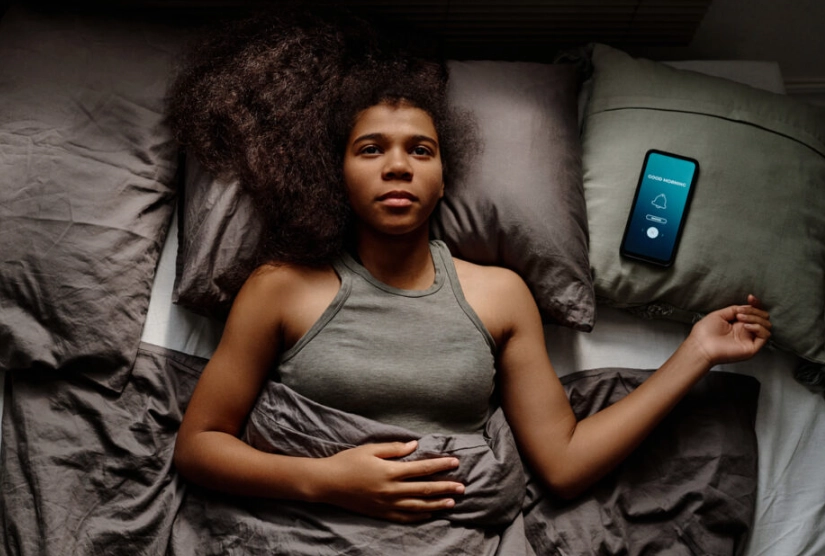
Common Sleep Disorders That Disguise Themselves
Sometimes, what feels like general insomnia is a specific sleep disorder. Women are prone to certain types, and they often go unrecognized for years.
| Disorder | What It Feels Like | Why It's Common in Women | Not-So-Obvious Sign |
|---|---|---|---|
| Insomnia | Chronic difficulty falling or staying asleep, even when tired. | Strongly linked to hormonal shifts, anxiety, and depression. | Waking up too early and not being able to fall back asleep. |
| Restless Legs Syndrome (RLS) | An irresistible urge to move legs, often with creepy-crawly sensations, worse at rest/evening. | Higher prevalence in women; linked to iron deficiency (common) and pregnancy. | The sensations are often described as "deep in the bones," not on the skin. |
| Sleep Apnea | Breathing repeatedly stops and starts during sleep. | Under-diagnosed. Risk increases post-menopause. Symptoms (fatigue, insomnia) often misattributed. | Waking up with a dry mouth or headache, despite getting "enough" hours in bed. |
| Circadian Rhythm Disorders | Internal body clock is out of sync with the day/night cycle. | May be influenced by hormonal sensitivity to light. "Night owl" tendency can be pronounced. | Feeling most alert and productive late at night, utterly groggy in the morning. |
Looking at this table, it's clear that what gets written off as "stress" or "just being a woman" could be a medically defined sleep disorder. RLS, for instance, is miserable. I've heard people describe it as feeling like you have carbonated bubbles in your veins. It's a physical need to move that directly fights the body's desire to be still for sleep.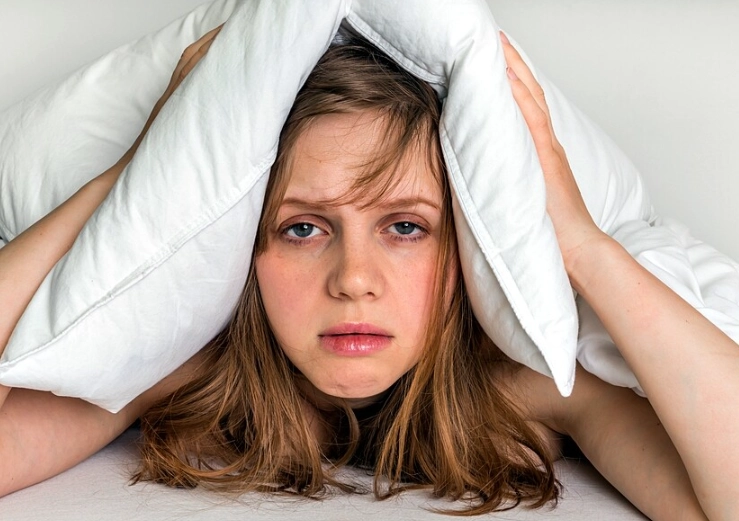
So, What Actually Works? Moving Beyond Generic Advice
Okay, enough with the problems. Let's talk solutions. The key is to match the solution to the specific cause. A blanket approach fails.
- Temperature Control is King: Use moisture-wicking bedding (bamboo, Tencel), layer blankets you can kick off, and keep the room cold (65-68°F or 18-20°C). A cooling mattress pad can be a game-changer for night sweats.
- Timed Exercise: Regular exercise is crucial, but doing it too close to bedtime can raise core temperature and disrupt sleep. Finish moderate-to-heavy exercise at least 3 hours before bed.
- Mind the Diet Triggers: Alcohol, caffeine, and spicy/sugary foods can all trigger hot flashes and disrupt sleep, especially in the second half of the day. It's a boring tip, but tracking your food and sleep can reveal brutal correlations.
- Discuss Options with a Doctor: This could range from short-term sleep aids to hormone therapy (HT) for menopausal symptoms. The research on HT has evolved, and for many women, the benefits for quality of life (including sleep) outweigh the risks. A good resource to understand the current medical perspective is the North American Menopause Society (NAMS) website.
For the mental load and anxiety piece, you need cognitive and behavioral tools.
- The "Worry Journal" Trick: Not a diary. About 90 minutes before bed, take 15 minutes. Write down every single thing on your mind—tasks, worries, ideas. Then, literally write: "I do not need to think about these until tomorrow. My job now is to rest." It sounds silly, but it's a cognitive signal to offload.
- Schedule "Wind-Down" Time: Protect 60 minutes before bed as a screen-free, chore-free zone. This is non-negotiable. Read a physical book (not a thriller!), listen to calm music, do gentle stretching. Your brain needs a runway to land.
- Practice Stimulus Control: This is a core part of Cognitive Behavioral Therapy for Insomnia (CBT-I). If you're in bed and not asleep after 20 minutes, get up. Go to another dimly lit room and do something boring (read a manual, not your phone) until you feel sleepy. The goal is to break the association between bed = anxiety/wakefulness.
- Explore CBT-I Formally: CBT-I is considered the first-line, gold-standard treatment for chronic insomnia. It's more effective long-term than sleep medication. You can find trained therapists or even use structured digital programs. The American Academy of Sleep Medicine maintains a patient education site with resources on finding help.
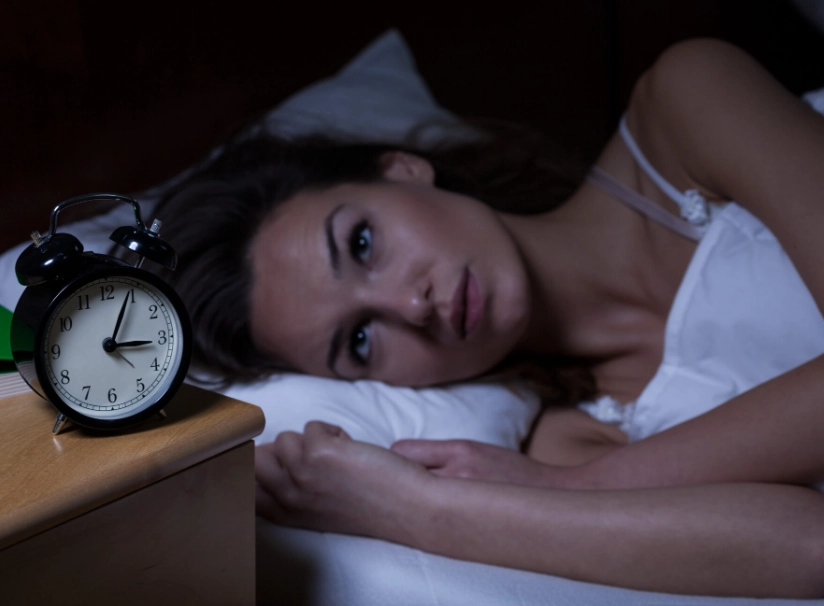
And then there's sleep hygiene—the basics that apply to everyone, but are especially critical when you're vulnerable.
- Consistency: Wake up at the same time every single day, even weekends. This is the most powerful tool for setting your circadian rhythm. Bedtime can vary a little, but wake time should be sacred.
- Darkness: Pitch black. Blackout curtains. Cover every tiny LED light. Consider a comfortable sleep mask. Light exposure at night suppresses melatonin.
- Quiet & Cool: A white noise machine or fan can mask disruptive sounds. The cool room temperature, as mentioned, is critical.
- Reserve the Bed: Only sleep and sex. No work, no eating, no watching TV. You want your body to see the bed and think one thing: sleep.
I know, some of this sounds rigid. But think of it like training for a marathon. You wouldn't eat junk food and skip training runs and expect to perform. Sleep is a biological performance. We have to train for it.
Your Questions, Answered (The Stuff You Actually Google)
Is melatonin safe and effective for women's sleep problems?
Melatonin is a hormone your body makes naturally to signal darkness. Supplemental melatonin can be helpful for specific issues like jet lag or delayed sleep-wake phase disorder. For general insomnia, the evidence is mixed. It might help you fall asleep slightly faster, but it's not a heavy-duty sleep medication. The bigger issue is dosage. Most over-the-counter pills are 3mg, 5mg, or even 10mg, but research suggests a much smaller dose (0.3mg to 1mg) taken about 30-60 minutes before bed is often more effective and causes less morning grogginess. It's generally safe for short-term use, but it's not a long-term fix for underlying issues like anxiety or hormonal upheaval. Always talk to your doctor, especially if you have autoimmune issues or are taking other medications.
Why do I wake up at 3 AM every single night?
The dreaded 3 AM wake-up. It's incredibly common. Often, it's a sign of stress/anxiety. You get through your first sleep cycles, your stress hormones (like cortisol) start to rise too early, and boom—you're awake with a busy mind. It can also be a blood sugar dip, especially if you ate a high-carb or sugary dinner. For perimenopausal women, it's classic for a night sweat to hit around this time. The solution depends on the cause: stress management techniques during the day, a small protein-rich snack before bed (like a handful of almonds), or addressing the temperature/night sweat issue.
When should I actually see a doctor about my sleep?
Don't wait until you're a zombie. See a doctor if: your sleep problems persist for more than 3 weeks; you snore loudly, gasp, or choke in your sleep (signs of sleep apnea); you have unbearable restless legs; your daytime fatigue is affecting your safety (like driving) or your mental health; or over-the-counter methods do nothing. Start with your primary care physician or a gynecologist who understands hormonal impacts. They may refer you to a sleep specialist for a possible sleep study. A great place to start understanding when to seek help is the National Heart, Lung, and Blood Institute's page on insomnia, which outlines symptoms and treatment paths.
Wrapping This Up (No Fluff, I Promise)
Dealing with persistent women's sleep problems is frustrating because it feels personal and unsolvable. You try everything and still lie there awake. The key takeaway is this: stop blaming yourself. This is not a moral failing or a lack of discipline.
It's a multifactorial health issue that requires a detective's approach. Start by observing your own patterns. Track your sleep, your cycle, your stress levels, and your food for two weeks. Look for connections.
Tackle the foundational sleep hygiene first—consistency, darkness, coolness. Then, layer on strategies targeted to your suspected main culprit: temperature control for hormonal issues, cognitive offloading for anxiety, or a doctor's visit for suspected disorders like apnea or RLS.
It's work. I won't sugarcoat that. Rebuilding a healthy relationship with sleep is a project. But the payoff—more energy, clearer thinking, better mood, and long-term health benefits—is everything. Your sleep is not a luxury. It's the foundation everything else is built on. Start treating it that way.
And cut yourself some slack. Some nights will be bad, and that's okay. The goal is progress, not perfection. Just don't accept a lifetime of exhausted, fractured nights as your normal. You deserve better.
POST A COMMENT