20 Home Remedies That Actually Work (From Kitchen to Cabinet)
Let's be real, we've all been there. It's 2 AM, your throat feels like sandpaper, and the thought of dragging yourself to a 24-hour pharmacy sounds like a special kind of torture. Or maybe it's a nagging headache that won't quit, or a stomach that's staging a full-scale rebellion after that questionable takeout.
That's when you start rummaging through the kitchen. A spoonful of honey? A pinch of salt? A weird-smelling herb in the back of the cabinet?
You're looking for home remedies. And you're not alone. For generations, people have turned to simple, natural solutions for everyday health hiccups. The best part? Many of these 20 home remedies aren't just old wives' tales. Science is starting to catch up and give a nod to what our grandparents knew all along.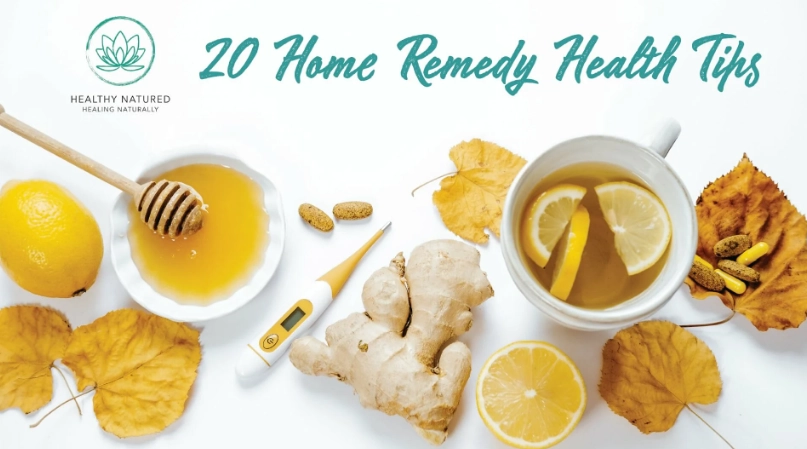
I remember visiting my grandma as a kid. A cough never got a bottle of syrup from her. It got a steaming mug of honey and lemon. A stomach ache meant ginger tea, not a pink pill. It felt like magic back then. Now, as an adult who's wary of over-medicating for every little sniffle, I find myself reaching for those same solutions. Sometimes they work like a charm, other times... well, let's just say not every "miracle cure" is created equal.
So, I've dug through the research, talked to folks, and tested more than a few on myself (some more successfully than others) to put together this list. This isn't about replacing your doctor. It's about having a trustworthy toolkit for those minor, annoying issues that don't always need a prescription.
Why Bother With Home Remedies Anyway?
Before we dive into the list of 20 home remedies, it's worth asking why we even consider them in an age of modern medicine.
Cost is a huge one. A jar of honey or a box of baking soda costs pennies compared to a trip to the doctor and a prescription. Convenience is another. Most of these ingredients are already in your pantry. There's also the appeal of a more natural approach. While "natural" doesn't automatically mean "safe," many people prefer to start with gentler options for minor problems.
But here's the crucial part: knowing the limits. These are remedies, not cures for serious conditions. They're for managing symptoms of common, self-limiting issues. If you have a high fever, severe pain, or symptoms that last more than a few days, the best home remedy is calling your healthcare provider.
The Ultimate List: 20 Home Remedies for Common Problems
I've grouped these 20 home remedies by what they're best for, so you can skip right to what's bugging you. Think of this as your go-to guide.
For That Annoying Sore Throat and Cough
This is where some of the most classic home remedies live. When your throat is scratchy and raw, these can be lifesavers.
1. Honey (The Champion): This isn't just sweet talk. Honey has genuine antimicrobial and anti-inflammatory properties. A study published by the National Institutes of Health (NIH) has shown that honey can be as effective as some over-the-counter cough suppressants for relieving cough symptoms, especially in children over the age of one. It coats the throat, providing a soothing barrier. Just a spoonful straight up, or stirred into warm water or tea. Never give honey to infants under one year old due to the risk of botulism.
2. Salt Water Gargle (The Simple Powerhouse): It tastes awful, I won't lie. But mixing about half a teaspoon of salt into a glass of warm water and gargling for 30 seconds helps reduce swelling, loosens mucus, and can flush out irritants and bacteria. It's a mechanical fix that really works. Do it several times a day.
3. Steam Inhalation (For Congestion): Boil water, pour it into a large bowl, place a towel over your head to create a tent, and breathe in the steam for 5-10 minutes. Be careful not to get too close and burn yourself. The moist heat helps break up mucus in your nasal passages and sinuses. Adding a drop or two of eucalyptus oil can enhance the effect (but be cautious, as essential oils can be potent).
4. Ginger Tea (The Multi-Tasker): Ginger is a superstar. It has anti-inflammatory compounds called gingerols. Grate a thumb-sized piece of fresh ginger, steep it in hot water for 10 minutes, strain, and add honey and lemon. It soothes the throat, can ease nausea that sometimes comes with post-nasal drip, and just feels comforting. The National Center for Complementary and Integrative Health notes ginger's long history of use for nausea.
For Headaches and General Aches
Not every headache needs a pill. Sometimes the cause is tension or dehydration, and the fix is simpler.
5. Hydration (The Overlooked Hero): So many headaches are simply due to not drinking enough water. Before you try anything else, drink a large glass of water and wait 20 minutes. You might be surprised. Chronic mild dehydration is incredibly common.
6. Cold Compress (For Tension Headaches): Applying a cold pack or even a bag of frozen peas wrapped in a thin towel to your forehead or the back of your neck for 15 minutes can constrict blood vessels and reduce inflammation, dulling the pain signals. I find this works best for that tight, band-like feeling around the head.
7. Caffeine (A Double-Edged Sword): A small cup of coffee or tea can sometimes help. Caffeine has mild vasoconstrictive properties and can enhance the effect of pain relievers (which is why it's in some migraine medications). But beware – if you're a regular caffeine consumer and are having withdrawal, caffeine is the *cause* of your headache, not the cure.
8. Magnesium (The Mineral Fix): Some research, including information from the NIH Office of Dietary Supplements, suggests that magnesium deficiency may be linked to migraines. While supplements should be discussed with a doctor, eating magnesium-rich foods like spinach, almonds, black beans, and avocados is always a good idea for overall health and may help some people prone to headaches.
9. Peppermint Oil (Topical Relief): Diluting a drop or two of peppermint essential oil in a carrier oil (like coconut or almond oil) and massaging it onto your temples can create a cooling sensation that may relieve tension. Don't apply it near your eyes. The menthol in peppermint is thought to have a calming effect on muscles and nerves.
For Upset Stomach, Indigestion, and Nausea
Digestive discomfort is incredibly common. These kitchen staples can help settle things down.
10. The BRAT Diet (For Diarrhea): This old-school acronym stands for Bananas, Rice, Applesauce, and Toast. These are bland, binding foods that are easy to digest and can help firm up stools. It's not a long-term diet, but for a day or two of an upset stomach, it gives your gut a break. I'd add plain yogurt (with live cultures) to this list for modern times, as the probiotics can help restore gut balance.
11. Ginger (Again!): Yes, ginger makes a second appearance. Its anti-nausea properties are its most famous feature. Ginger ale (make sure it's made with real ginger), ginger tea, or even chewing on a piece of crystallized ginger can calm a queasy stomach. It's excellent for motion sickness or morning sickness (with a doctor's okay during pregnancy).
12. Peppermint Tea (To Soothe and Unwind): Peppermint is a carminative, meaning it helps expel gas from the digestive tract. A cup of peppermint tea can relieve bloating, gas, and mild cramping. It has a relaxing effect on the muscles of the digestive tract. However, if your heartburn is caused by acid reflux, peppermint might relax the lower esophageal sphincter too much and make it worse – so know your enemy.
13. Apple Cider Vinegar (For Indigestion): This one is controversial and doesn't work for everyone. The theory is that diluted apple cider vinegar (1-2 teaspoons in a large glass of water) can increase stomach acid to help break down food if your indigestion is due to *low* stomach acid. For some people, it provides instant relief. For others with standard heartburn (too much acid), it can make things much worse. I've tried it, and it's a gamble. Proceed with caution.
14. Fennel Seeds (The After-Dinner Mint Alternative): In many cultures, it's common to chew a pinch of fennel seeds after a meal. They contain compounds that can help reduce gas, bloating, and stomach spasms. They have a pleasant, licorice-like taste. You can also make a simple tea by crushing a teaspoon of seeds and steeping them in hot water.
For Skin Irritations, Cuts, and Bumps
Your kitchen and bathroom cabinet hold some surprising first-aid standbys.
15. Oatmeal (For Itchy Skin): Colloidal oatmeal (oatmeal ground into a fine powder) is a classic remedy for eczema, poison ivy, chickenpox, and general dry, itchy skin. It has anti-inflammatory and antioxidant properties. You can buy colloidal oatmeal bath packets or make a paste with ground oats and water to apply directly to itchy spots. It's remarkably soothing.
16. Honey (Topically - The Wound Healer): Manuka honey, in particular, is renowned for its wound-healing properties. Its high sugar content creates an environment where bacteria struggle to survive, and it has hydrogen peroxide activity. While you shouldn't use the honey from your pantry on an open wound (it's not sterile), medical-grade honey is used in clinical settings for burns and ulcers. For a small scrape at home after proper cleaning, a dab of honey under a bandage is an ancient trick.
17. Tea Tree Oil (For Acne and Fungus): This essential oil from Australia has strong antimicrobial and antifungal properties. It must always be diluted (a few drops in a tablespoon of carrier oil like jojoba). A dab on a pimple can reduce redness and fight bacteria. It's also a common home remedy for fungal issues like athlete's foot. Patch test first, as it can be irritating to some skin types.
18. Baking Soda Paste (For Bug Bites and Itchy Rashes): Mix a little baking soda with water to make a thick paste and apply it to mosquito bites or mild rashes like from poison ivy. It helps neutralize irritants and provides a cooling, soothing sensation as it dries. Rinse off after 10-15 minutes.
19. Aloe Vera (The Sunburn Savior): The clear gel from inside an aloe vera leaf is a classic for a reason. It has cooling, anti-inflammatory properties that provide immediate relief for sunburns and minor burns. If you have a plant, break off a leaf, slice it open, and scoop out the gel. Store-bought pure aloe vera gel works too—just check the label to ensure it's mostly aloe.
20. Cold Spoon or Cucumber (For Puffy Eyes): This is more cosmetic, but it works. Chilling two spoons or placing cool cucumber slices over closed eyes for 10-15 minutes constricts blood vessels and reduces temporary puffiness caused by fluid retention, allergies, or lack of sleep. It's cheap, easy, and feels fantastic.
How to Use These 20 Home Remedies Safely and Effectively
Having a list of 20 home remedies is one thing. Using them smartly is another. Here’s a quick guide to get the most out of them while staying safe.
| Remedy Category | Key Safety Tip | When to Stop & See a Doctor |
|---|---|---|
| Internal (Teas, Foods, Gargles) | Ensure ingredients are fresh. Don't use herbal remedies long-term without research. Know your allergies. | Symptoms worsen or last >3 days. You develop a high fever, rash, or difficulty breathing. |
| Topical (Oils, Pastes, Compresses) | ALWAYS do a patch test on a small area of skin (inner arm) first. Dilute essential oils properly. | Signs of allergic reaction: increased redness, swelling, itching, or hives. |
| For Children | Extra caution! No honey under age 1. Dilute adult doses significantly. Consult a pediatrician first for babies. | Any sign of dehydration (no tears, dry mouth, fewer wet diapers), lethargy, or high fever. |
| During Pregnancy/Nursing | Many herbs and oils are not studied for safety. Always consult your OB/GYN or midwife first. | Any new or severe symptom arises. |
The biggest mistake people make is assuming "more is better." With home remedies, a little often goes a long way. Doubling the dose of ginger won't cure your nausea twice as fast—it might just give you heartburn.
Answers to Common Questions About Home Remedies
You've got questions. I've tried to find sensible answers based on evidence and experience, not hype.
Are home remedies scientifically proven?
Some are, some aren't, and many are somewhere in between. Remedies like honey for cough, ginger for nausea, and oatmeal for itch have decent clinical backing. Others, like certain herbal teas, have centuries of traditional use but less robust modern research. The key is to look for information from reputable sources like the NIH or academic journals, not just blogs selling products.
What's the most overrated home remedy?
In my opinion? Putting raw garlic in your ear for an earache. Just don't. It's messy, unlikely to help, and you risk pushing wax deeper or damaging the ear canal. For ear pain, a warm compress on the outer ear is safer, but a doctor should check for a real infection.
Can I mix home remedies with my prescription medication?
This is a silent danger zone. For example, St. John's Wort (a popular herbal remedy for mood) can interact with a huge number of prescription drugs, making them less effective. Ginger and garlic can thin the blood, which is risky if you're on blood thinners like warfarin. Always, always tell your doctor and pharmacist about every supplement and herbal remedy you use. They need the full picture to keep you safe.
Where's the best place to get reliable information on a specific remedy?
Start with .gov and .edu websites. The National Center for Complementary and Integrative Health (NCCIH) is an excellent resource. They provide fact-based, science-informed information on a wide range of complementary health approaches. University medical center websites are also generally trustworthy.
The goal of these 20 home remedies isn't to build a fortress against modern medicine. It's to cultivate a little self-reliance for life's small, predictable bumps and bruises. It's about connecting with simple, often gentler ways to feel better, passed down with care. Keep this list handy, use it wisely, and remember that the most important remedy of all is knowing when you need more help than your kitchen cabinet can provide.
Stay well.
POST A COMMENT