You just got a high reading at the doctor's office, or maybe your home monitor keeps showing numbers you don't like. The question is burning in your mind: what helps bring high blood pressure down for good? Medication is often the first line of defense, but it's not the only one, and for many, it doesn't have to be a lifelong sentence. The real, sustainable power to lower your numbers lies in a series of deliberate, evidence-based lifestyle changes. This isn't about quick fixes or miracle cures; it's about building habits that address the root causes. Think of medication as a crucial tool, while lifestyle changes are the foundation you build your health upon. Let's cut through the noise and focus on what the science—and real people—say actually works.
What You’ll Learn in This Guide
How Does the DASH Diet Work to Lower Blood Pressure?
If you research how to reduce hypertension, you'll hit the DASH diet within minutes. DASH stands for Dietary Approaches to Stop Hypertension. It's not a fad; it's a decades-old, NIH-funded eating pattern proven to lower systolic pressure (the top number) by 8-14 points. But what does that actually mean for your plate? It's not about deprivation; it's about strategic addition.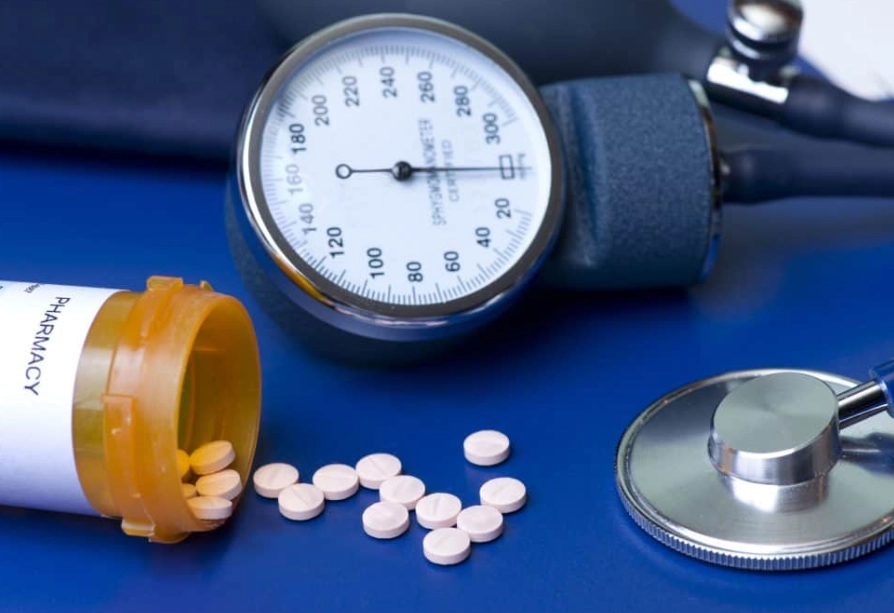
The core principle is shifting your intake toward foods rich in potassium, calcium, magnesium, fiber, and protein, while pulling back on saturated fat and sodium. Here’s the practical breakdown most guides miss:
The DASH Plate in Practice
Forget calorie counting at first. Just visualize your plate at each meal. Half of it should be non-starchy vegetables and some fruit. A quarter should be lean protein (fish, poultry, legumes, tofu). The final quarter is whole grains or starchy vegetables. Add a serving of low-fat dairy on the side. This simple visual is more powerful than any complicated chart for getting started.
A common mistake? People go all-in on vegetables but skimp on the whole grains and protein. Your body needs the sustained energy from complex carbs and the satiety from protein to stick with this plan. Another pitfall is thinking "low-fat" means "flavorless." A drizzle of olive oil (a heart-healthy fat) on your vegetables is not the enemy; it helps you absorb nutrients and enjoy your food.
Sodium Reduction: The Stealthy Saboteur
Everyone knows to watch salt. But the real game is understanding where it hides. The salt shaker accounts for only about 11% of the average person's sodium intake. The rest comes from processed, packaged, and restaurant foods.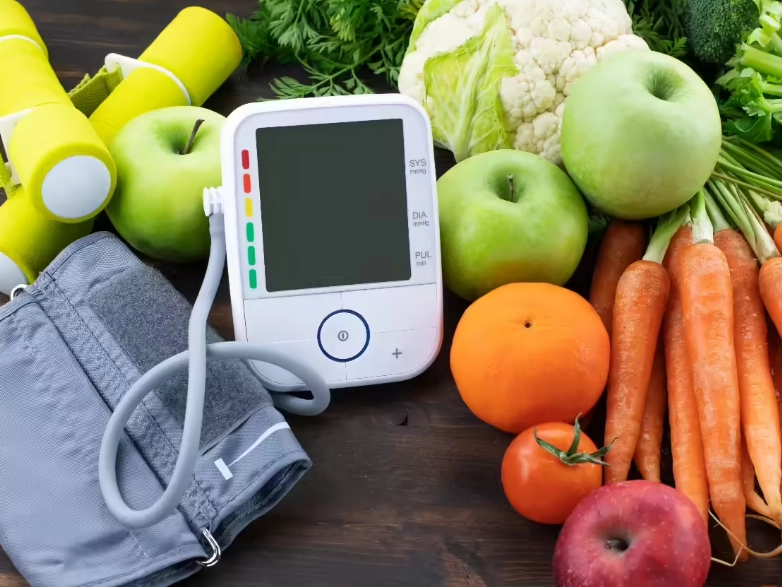
You need to become a label detective. Look for "sodium" on the Nutrition Facts panel. The American Heart Association recommends no more than 2,300 mg a day, with an ideal limit of 1,500 mg for most adults, especially those with high blood pressure. Here’s a reality check on where sodium lurks:
| Food Item | Typical Sodium Content | Lower-Sodium Alternative |
|---|---|---|
| Canned Soup (1 cup) | 800 - 1,200 mg | Low-sodium broth + fresh veggies & herbs |
| Bread (2 slices) | 200 - 400 mg | Check labels for brands under 150mg/slice |
| Frozen Pizza (1/3 of a medium) | 700 - 1,000 mg | Homemade pizza on whole-wheat crust with fresh toppings |
| Deli Turkey (3 slices) | 600 - 900 mg | Fresh roasted turkey breast you slice yourself |
| Pasta Sauce (1/2 cup) | 400 - 600 mg | No-salt-added canned tomatoes + garlic & basil |
The trick isn't eliminating these foods but choosing smarter versions. Buy "no-salt-added" canned veggies and beans. Rinse regular canned beans under water—this can wash away up to 40% of the added sodium. Cook at home more often. When you do use salt, make it count: a pinch of flaky sea salt on a finished dish gives more bang for your buck than salt cooked into a sauce.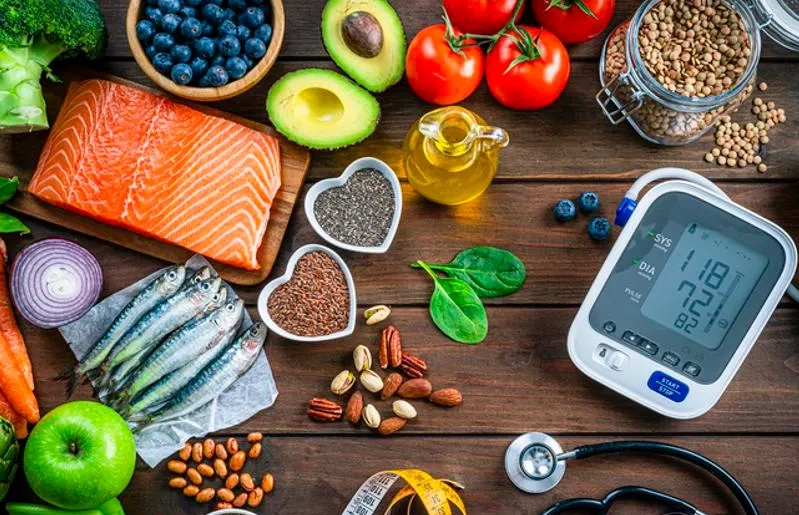
Potassium and Magnesium: Your Dietary Power Couple
While you're cutting sodium, you need to ramp up potassium. Potassium helps relax blood vessel walls and helps your body excrete more sodium through urine. Magnesium aids in regulating hundreds of body systems, including blood pressure control. Most people are deficient in both.
Forget supplements as a first resort. Food sources are better absorbed and come with a package of other benefits. Top potassium sources include bananas (yes, but they're not the king), sweet potatoes, spinach, avocados, beans, lentils, and salmon. For magnesium, think leafy greens, nuts (especially almonds and cashews), seeds (pumpkin and chia), and dark chocolate (70%+ cacao).
My go-to daily habit? A big handful of spinach in my morning smoothie (potassium & magnesium), a small avocado at lunch (potassium), and a square of dark chocolate after dinner (magnesium and a treat). It's simple, sustainable, and effective.
What Kind of Exercise Lowers Blood Pressure Most Effectively?
"Get more exercise" is vague advice. For blood pressure, not all movement is created equal. The most effective regimen combines aerobic exercise and strength training.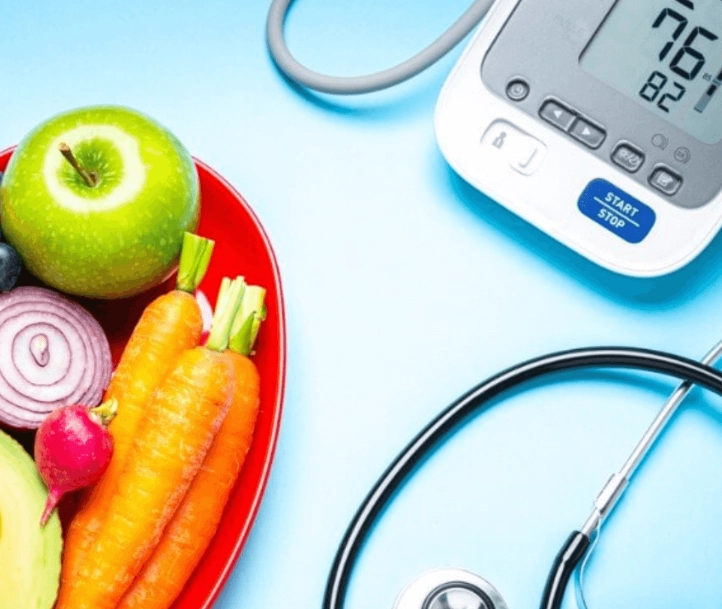
Aerobic exercise (cardio) is your workhorse. It makes your heart stronger so it can pump blood with less effort, reducing the force on your arteries. Aim for at least 150 minutes per week of moderate-intensity activity. That's 30 minutes, five days a week. "Moderate intensity" means you can talk but not sing. Brisk walking, cycling, swimming, dancing—it all counts.
Here's the nuance most miss: consistency beats intensity. A daily 30-minute brisk walk is far better for blood pressure management than an exhausting, sporadic 90-minute gym session you dread. Find something you can stick with.
Strength training is the secret weapon. Building lean muscle mass improves your metabolism and helps with long-term weight management, which is key for blood pressure. It also creates tiny new blood vessels, giving your blood more pathways to flow, which reduces pressure. You don't need to become a bodybuilder. Two sessions a week focusing on major muscle groups (legs, back, chest, core) is enough. Use resistance bands, bodyweight exercises, or free weights.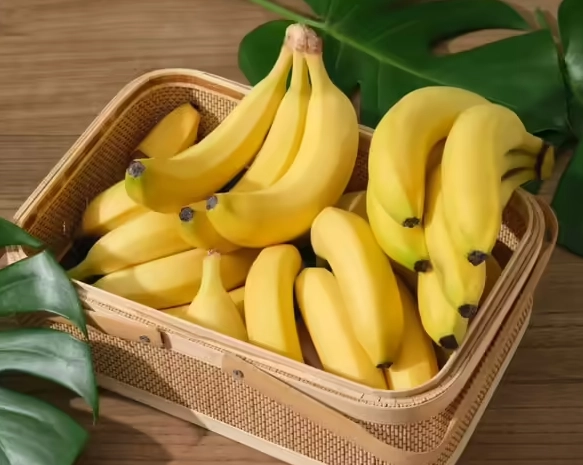
A Critical Note: If your blood pressure is severely elevated (e.g., over 180/120 mmHg), do not start a new exercise program without consulting your doctor. Certain intense activities can be risky.
The Direct Link Between Weight Loss and Lower Numbers
This isn't about aesthetics. Excess weight, especially around the waist, forces your heart to work harder to pump blood throughout your body. Fat tissue also releases hormones that can cause blood vessels to constrict.
The good news? You don't need to hit your "ideal" weight to see benefits. Losing just 5-10% of your current body weight can make a significant dent in your blood pressure readings. For a 200-pound person, that's only 10-20 pounds. This is an achievable first goal.
The strategies we've already covered—the DASH diet and regular exercise—are your primary tools for weight loss. They create a sustainable calorie deficit without triggering starvation mode or rebound bingeing. Avoid extreme low-carb or crash diets; they often lead to water and muscle loss initially, not lasting fat loss, and the stress they put on your body can temporarily raise blood pressure.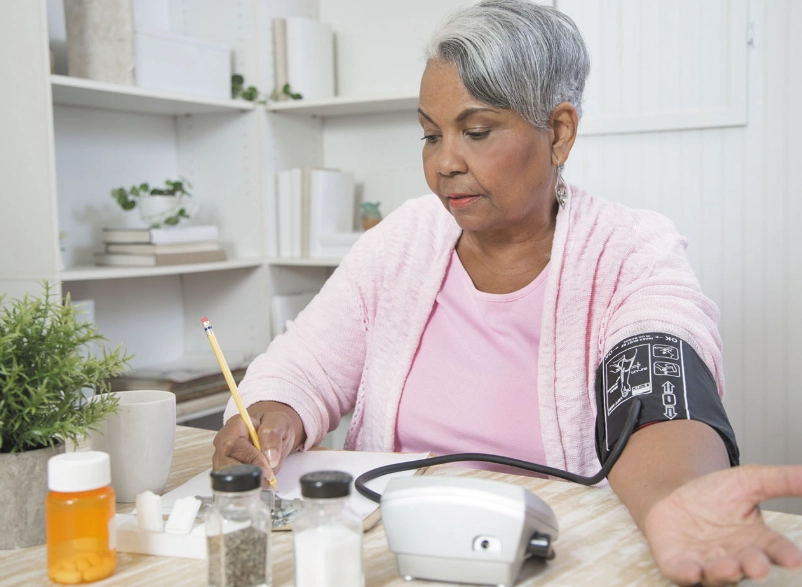
Alcohol: How Much is Too Much for Blood Pressure?
The relationship is dose-dependent. Light to moderate drinking (one drink per day for women, two for men) might have a neutral or even slightly protective effect for some. But exceed that, and alcohol becomes a direct pressor—it raises blood pressure. It's also packed with empty calories that sabotage weight loss.
Heavy drinking can lead to long-term increases. If you drink, do so in moderation and be honest about what a "drink" is: 12 oz of beer, 5 oz of wine, or 1.5 oz of distilled spirits. Try having several alcohol-free days each week. If you find it difficult to moderate, that's a sign to talk to a healthcare professional. Cutting back or quitting is one of the most direct actions you can take to lower blood pressure naturally.
What About Stress and Sleep?
Chronic stress keeps your body in a constant state of "fight or flight," releasing hormones like cortisol and adrenaline that temporarily increase your heart rate and constrict blood vessels. Over time, this can damage arteries.
Sleep is the body's repair time. During deep sleep, your blood pressure naturally dips ("nocturnal dipping"). Consistently sleeping less than 6 hours a night interferes with this process and is linked to higher daytime blood pressure.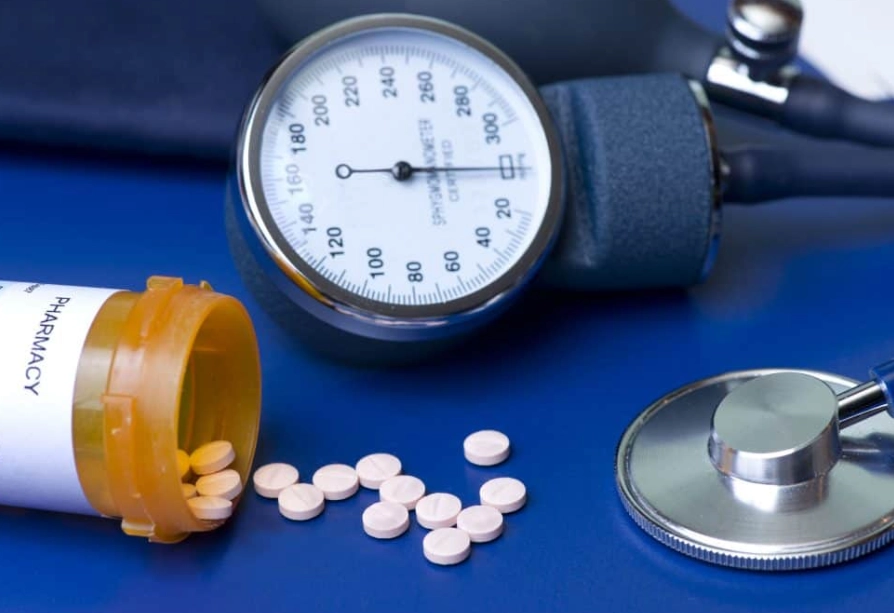
Actionable Stress & Sleep Hacks
For stress, find a daily release valve that works for you. It doesn't have to be an hour of meditation (though that's great). It could be 10 minutes of deep breathing, a walk in nature, listening to music, or even just disconnecting from your phone and news for a bit. The key is consistency.
For sleep, prioritize a consistent schedule, even on weekends. Make your bedroom cool, dark, and quiet. Avoid screens for at least an hour before bed. If you have sleep apnea—characterized by loud snoring and gasping—treating it is non-negotiable for blood pressure control. See a doctor.
The Importance of Monitoring and Consistency
You can't manage what you don't measure. Home monitoring is crucial. It shows you how your lifestyle changes are working, helps identify triggers (like that salty lunch), and ensures your doctor has accurate data. Use a validated, upper-arm cuff monitor. Take readings at the same times each day (e.g., morning before medication/coffee and evening before dinner), sit quietly for 5 minutes first, and keep a log.
Finally, be patient and consistent. Lifestyle changes work, but they work over weeks and months, not days. Don't get discouraged by a single high reading. Look at the trend. This is a marathon, not a sprint. Building these habits is the ultimate answer to what helps bring high blood pressure down for a healthier, longer life.
Your Questions, Answered
I hate vegetables. How can I possibly follow the DASH diet?
Start by hiding them. Blend spinach or cauliflower into smoothies, sauces, or soups where the flavor is masked. Roast vegetables like broccoli, Brussels sprouts, or carrots with a bit of olive oil and garlic—roasting brings out a natural sweetness that boiling destroys. Try one new vegetable a week, prepared in a different way. Your taste buds can adapt, but it takes repeated, low-pressure exposure.
Can I ever eat salt again, or is it banned for life?
It's not banned. The goal is to reset your palate and reduce your dependence on ultra-processed sodium bombs. Once you're cooking mostly whole foods at home, you have full control. You can and should use salt to make your food taste good. The difference is you'll use far less because you're not getting a massive hidden dose from a frozen dinner. You'll also appreciate the actual flavor of salt more.
I walk every day but my blood pressure hasn't budged. What am I doing wrong?
Walking is excellent, but it might not be enough as a standalone strategy, especially if other factors like diet, stress, or weight aren't addressed. Check your intensity—are you walking briskly enough to get your heart rate up? Consider adding two days of strength training. Most importantly, look at your diet. You can't out-exercise a poor diet, especially regarding sodium intake. It's always the combination of strategies that delivers the biggest results.
Are there any "superfoods" that lower blood pressure instantly?
No. Be deeply skeptical of any claim about a single food causing an instant drop. Beetroot juice or hibiscus tea, for example, contain compounds (nitrates, antioxidants) that studies suggest can have a modest, temporary vasodilating effect. They might help lower your systolic reading by a few points over weeks of consistent use, but they are not magic bullets. Relying on a "superfood" while ignoring your overall diet, exercise, and stress is a losing strategy. Think of them as potential supportive players, not the star of the show.
How do I know if I need medication in addition to lifestyle changes?
This is a decision for you and your doctor based on your specific numbers, overall cardiovascular risk, and how you respond to lifestyle changes. If your blood pressure is Stage 2 (160/100 or higher) or you have other conditions like diabetes, medication is often necessary to get it under control quickly and prevent damage. The beautiful part is that by embracing the lifestyle changes outlined here, you may be able to take a lower dose of medication or, in some cases, under a doctor's supervision, reduce or eliminate the need for it over time. Lifestyle changes make medication more effective. Never stop or adjust medication on your own.





Leave a comment