Let's cut to the chase. Osteoporosis isn't just about getting shorter or having a stooped posture as you age. It's a silent disease that weakens your bones, making them fragile and prone to fractures from minor falls or even sneezing. I've seen patients in their 50s break a hip from a simple slip on the stairs, and the recovery is brutal. The good news? You can prevent it, and if you already have it, there are effective treatments. This guide dives deep into what works, what doesn't, and how to take control of your bone health today.
What You'll Find in This Guide
What Is Osteoporosis and Why Should You Care?
Osteoporosis means "porous bone." Imagine your bone structure like a honeycomb—strong and dense. With osteoporosis, the holes get bigger, weakening the entire structure. It often shows no symptoms until a fracture happens, usually in the hip, spine, or wrist. According to the National Institutes of Health, over 10 million Americans have osteoporosis, and it's not just a women's issue; men get it too, though later in life.
The Silent Thief: How Osteoporosis Develops
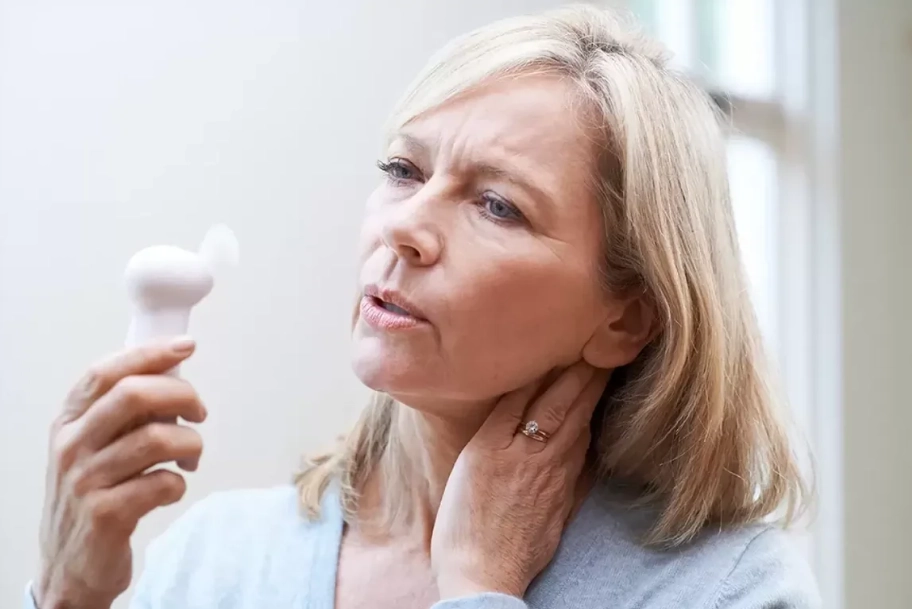
Your bones are living tissue constantly breaking down and rebuilding. Up to around age 30, you build more bone than you lose. After that, the balance tips. Factors like genetics, hormone changes (especially menopause), low calcium intake, and sedentary lifestyle accelerate bone loss. I tell my patients: think of bone density as a bank account. You make deposits through your 20s and 30s, then start withdrawals later. If you didn't save enough early on, you'll run into trouble.
Here's a mistake I see often. People focus only on calcium supplements, ignoring vitamin D. Without enough vitamin D, your body can't absorb calcium properly. It's like trying to fill a bucket with a hole in it. The World Health Organization emphasizes that vitamin D deficiency is a global health problem linked to poor bone health.
Prevention Strategies That Actually Work
Prevention starts now, regardless of your age. It's about lifestyle choices that build and maintain bone density. Let's break it down into two key areas: nutrition and exercise.
Nutrition: Building Bones from the Inside Out
You are what you eat, and your bones are no exception. Calcium and vitamin D are the stars, but they're not alone. Magnesium, vitamin K, and protein play crucial roles too. I recommend getting nutrients from food first, supplements second. Why? Foods come with other beneficial compounds that aid absorption.
Take dairy, for example. A cup of plain yogurt gives you about 300 mg of calcium, plus protein and probiotics. But if you're lactose intolerant, don't force it. There are plenty of alternatives like fortified plant milks, leafy greens, and sardines.
Personal tip: I had a patient who drank milk daily but still had low bone density. Turns out, she was consuming too much caffeine and salt, which leach calcium from bones. Balance is key.
| Food Source | Calcium Content (approx.) | Best Way to Include in Diet |
|---|---|---|
| Plain Greek yogurt (1 cup) | 300 mg | Breakfast with berries and nuts |
| Kale (1 cup cooked) | 180 mg | Steamed as a side dish or in smoothies |
| Sardines with bones (3 oz) | 325 mg | On whole-grain crackers or in salads |
| Fortified orange juice (1 cup) | 350 mg | Morning drink with breakfast |
| Almonds (1 oz) | 75 mg | Snack or added to oatmeal |
For vitamin D, sunlight is the best source—10-15 minutes of midday sun on arms and legs a few times a week. But in northern climates or for older adults, supplements might be necessary. The NIH suggests 600-800 IU daily for adults, but check with your doctor; some need more.
Exercise: The Best Moves for Bone Density
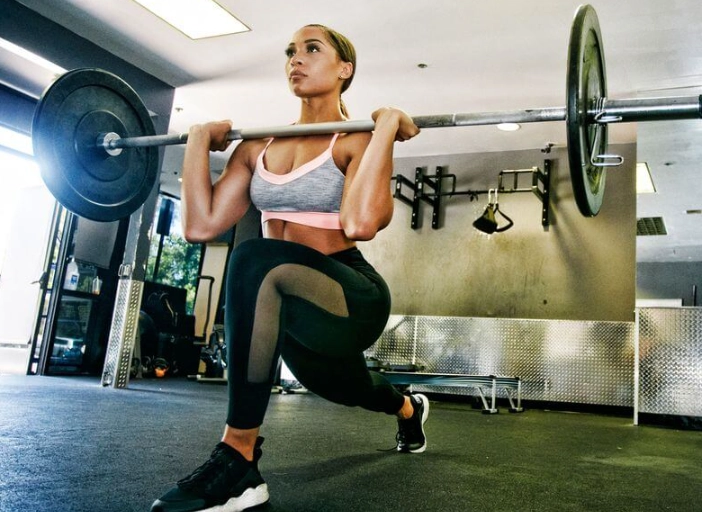
Not all exercise is equal for bones. Weight-bearing and resistance exercises are gold. Think activities that make you work against gravity. Walking is good, but it's not enough on its own. You need to challenge your bones.
I design routines for my clients that mix things up. Here's a simple weekly plan:
- Monday: 30-minute brisk walking or jogging (weight-bearing)
- Wednesday: Strength training with weights or resistance bands—focus on squats, lunges, and push-ups.
- Friday: Yoga or tai chi for balance and flexibility, reducing fall risk.
Avoid high-impact sports if you already have low bone density, as they might cause fractures. Swimming is great for cardio but doesn't build bone; it's low-impact. So, combine it with weight training.
One client of mine, a 60-year-old woman, started strength training twice a week. After a year, her bone density scan showed a 2% increase. Small, but significant—it means she's building bone, not just slowing loss.
Treatment Options When Prevention Isn't Enough
If you're diagnosed with osteoporosis, don't panic. Treatment has come a long way. It aims to strengthen bones, prevent fractures, and manage pain. Options range from medications to lifestyle tweaks.
Medications: Benefits and Drawbacks
Doctors often prescribe bisphosphonates like alendronate (Fosamax) or risedronate (Actonel). These drugs slow bone breakdown. They're effective, but they have side effects like heartburn or, rarely, jaw problems. You need to take them correctly—on an empty stomach with plain water, and stay upright for 30 minutes.
Newer drugs like denosumab (Prolia) injections every six months or romosozumab (Evenity) for severe cases offer alternatives. Hormone therapy is another option, especially for postmenopausal women, but it comes with risks like blood clots. The key is to discuss with your doctor what fits your health profile.
I've seen patients quit medications due to side effects without telling their doctor. Big mistake. There are always alternatives, and stopping abruptly can increase fracture risk.
Beyond drugs, calcium and vitamin D supplements are usually recommended. Aim for 1,200 mg of calcium and 800-1,000 IU of vitamin D daily from all sources. Too much calcium from supplements (over 2,000 mg/day) can cause kidney stones, so monitor intake.
Lifestyle changes remain crucial. Fall prevention is huge—remove tripping hazards at home, wear supportive shoes, and improve lighting. A study from the CDC shows that most hip fractures happen at home from falls.
Your Top Osteoporosis Questions Answered
Osteoporosis prevention and treatment isn't a one-size-fits-all game. It's about consistent, smart choices. Start today, even with small steps like adding a calcium-rich food to your meals or taking a daily walk. Your future self will thank you.


Leave a comment