Let's cut to the chase. Finding an acne treatment that works feels like a maze. You try one product, it makes your skin dry and flaky. You try another, and nothing happens. The truth is, effective acne management isn't about a single miracle product. It's a strategic, step-by-step process that starts with understanding your enemy and ends with a consistent routine you can actually stick to. Whether you're dealing with the occasional hormonal breakout or persistent cystic acne, the path to clearer skin exists. This guide walks you through it, from the drugstore aisle to the dermatologist's office, based on what the science says and what actually works in practice.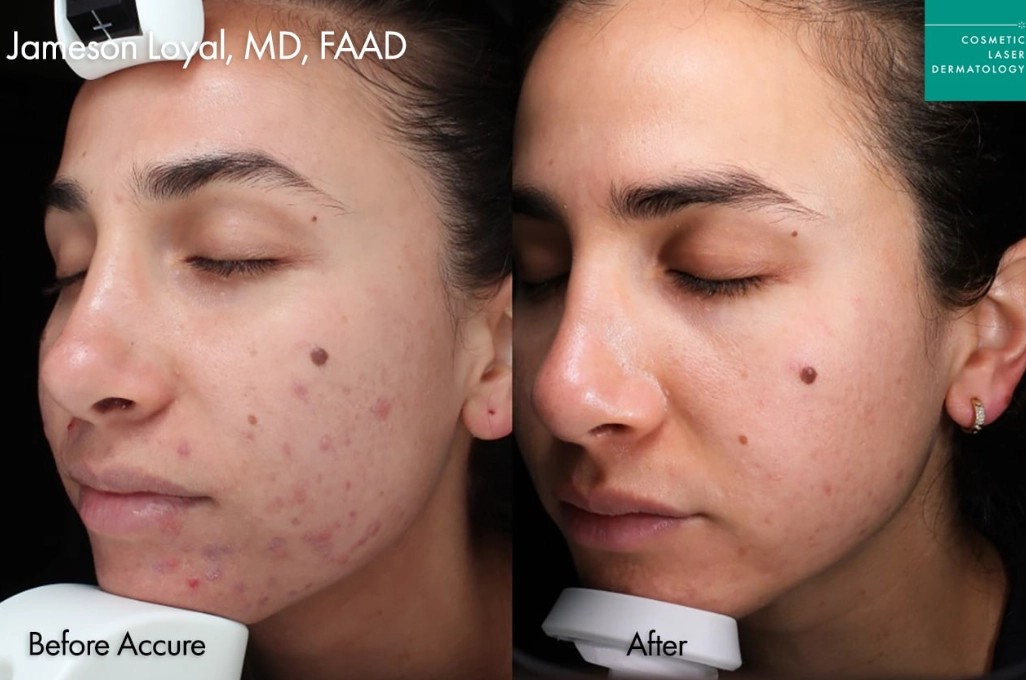
Your Quick Navigation Map
- Understanding What You're Up Against
- The First Line of Defense: Over-the-Counter (OTC) Treatments
- When OTC Isn't Enough: Prescription Acne Treatments
- The Big Guns: Professional Procedures for Stubborn Acne
- Building Your Daily Skin Fortress: A Non-Negotiable Routine
- What Most People Get Wrong (And How to Fix It)
- Your Burning Acne Questions, Answered
Understanding What You're Up Against
Before you start throwing products at your face, know what you're dealing with. Acne isn't just "dirty skin." It's a complex condition driven by four main factors: excess oil (sebum) production, clogged hair follicles (pores), a specific bacteria called Cutibacterium acnes, and inflammation. Hormones, stress, diet, and genetics are the usual suspects that throw these factors into overdrive.
Not all pimples are created equal. Treating a blackhead is different from treating a deep, painful cyst. Here's a quick breakdown:
| Type of Acne Lesion | What It Looks & Feels Like | Primary Treatment Goal |
|---|---|---|
| Comedones (Blackheads & Whiteheads) | Small, clogged pores. Blackheads are open (oxidized), whiteheads are closed. | Unclog pores, promote cell turnover. |
| Papules & Pustules | The classic "pimple." Red, inflamed bumps. Pustules have a visible white or yellow center (pus). | Reduce inflammation, kill bacteria. |
| Nodules & Cysts | Large, painful, deep lumps under the skin. No visible "head." High risk of scarring. | Reduce severe inflammation, often requires prescription intervention. |
Knowing this helps you pick your battles. If you're mostly dealing with blackheads, a salicylic acid wash might be your hero. If it's angry red bumps, benzoyl peroxide could be the ticket. Deep cysts? That's your signal to consider seeing a professional.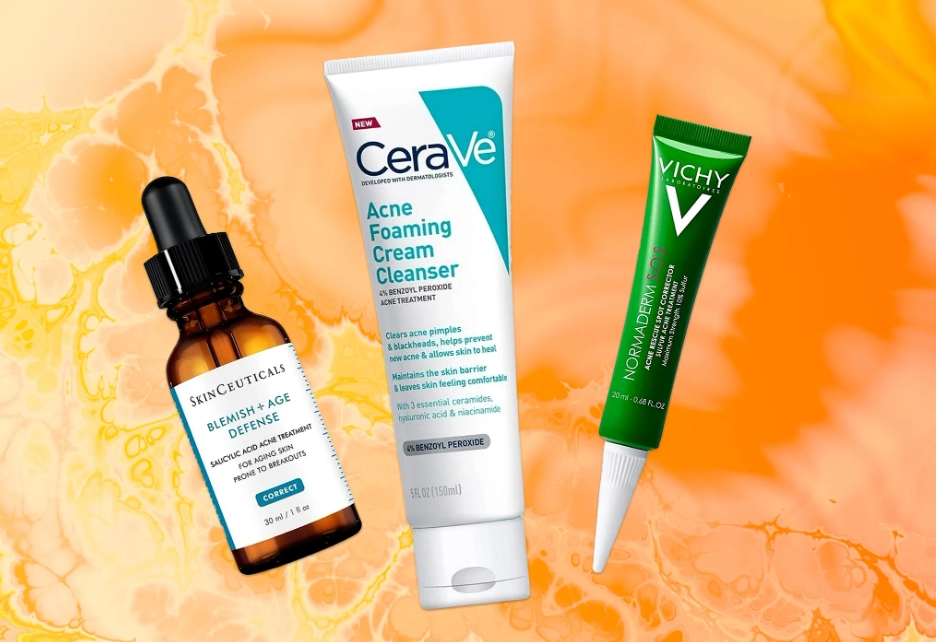
The First Line of Defense: Over-the-Counter (OTC) Treatments
This is where most people start, and for good reason. OTC treatments are accessible, affordable, and can be highly effective for mild to moderate acne. The key is knowing which active ingredient to look for and how to use it.
The Big Three OTC Actives
Benzoyl Peroxide (BPO): The bacteria killer. It works by releasing oxygen into the pore, creating an environment where C. acnes can't survive. It's also mildly anti-inflammatory. You'll find it in strengths from 2.5% to 10%. Here's a secret from years of watching people use it: 2.5% is often just as effective as 10% for reducing bacteria but is significantly less irritating. Start low. A good starter product is PanOxyl Acne Creamy Wash (4% BPO, around $10) used in the shower a few times a week.
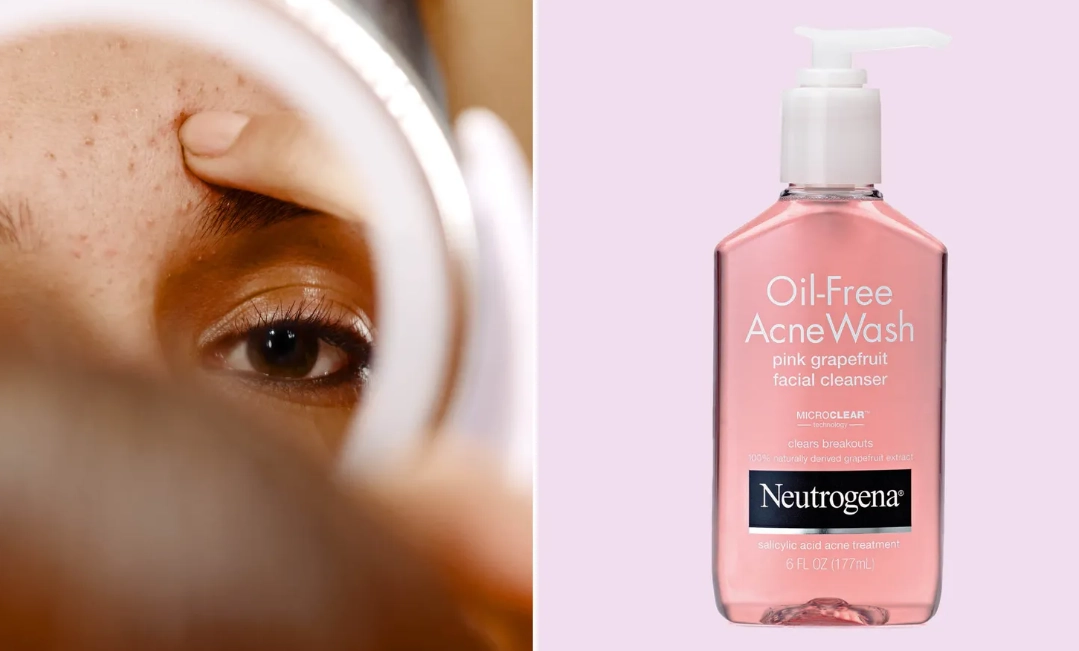
Salicylic Acid (SA): The pore unclogger. This beta-hydroxy acid (BHA) is oil-soluble, meaning it can get inside your oily pores and dissolve the gunk that's clogging them (dead skin cells and sebum). It's fantastic for blackheads and whiteheads. Look for it in cleansers (like CeraVe SA Cleanser, ~$15) or leave-on treatments (like Paula's Choice 2% BHA Liquid Exfoliant, ~$35).
Alpha Hydroxy Acids (AHAs): The surface exfoliators. Glycolic and lactic acids work on the skin's surface to slough off dead cells, helping prevent clogs and improve skin texture. They're less targeted for acne than SA but great for the post-acne marks (PIH) and overall glow. The Ordinary Glycolic Acid 7% Toning Solution ($9) is a cult favorite.
A Critical Note on Patience: OTC treatments need time. You're looking at a minimum of 6-8 weeks of consistent use to see real improvement. Your skin might even get slightly worse before it gets better (a "purge") as it brings underlying clogs to the surface. Quitting after two weeks is the most common reason people think "nothing works."
When OTC Isn't Enough: Prescription Acne Treatments
If you've given a solid OTC routine a proper 3-month try with little improvement, or if you have moderate to severe inflammatory or cystic acne, it's time to talk to a doctor or dermatologist. This isn't failure; it's smart escalation.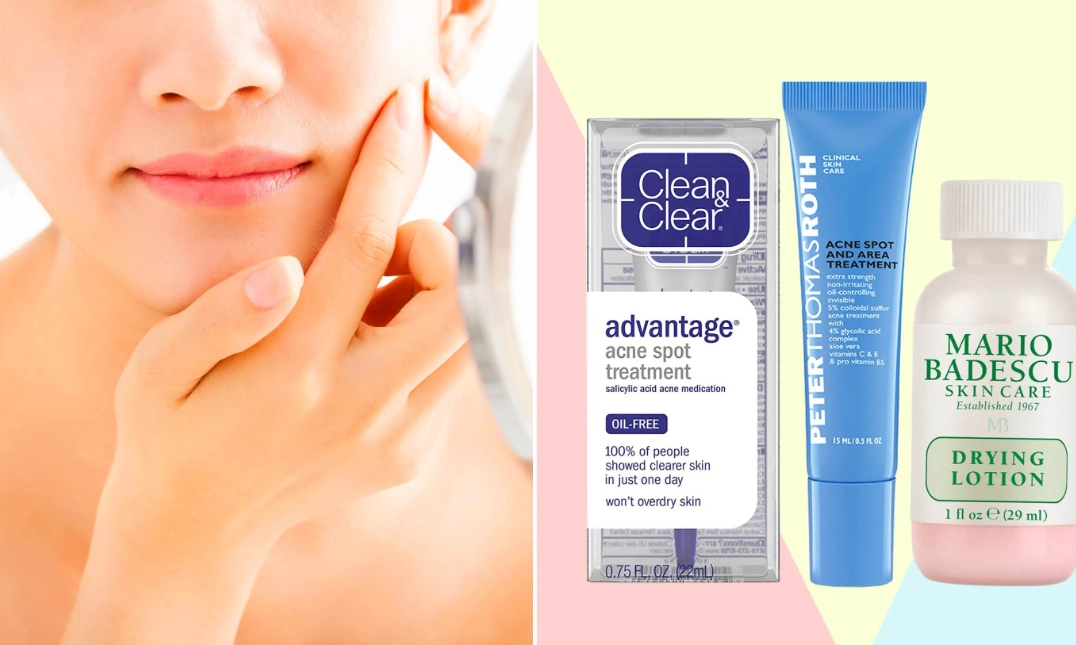
Topical Retinoids: These are vitamin A derivatives (tretinoin, adapalene, tazarotene) and are the gold standard for treating acne and preventing future breakouts. They normalize skin cell turnover, preventing pores from clogging in the first place. Adapalene is now available OTC as Differin Gel (~$15), but the prescription versions are stronger. They can cause dryness and peeling initially—using them every other night and sandwiching them between moisturizer layers helps massively.
Topical Antibiotics: Clindamycin is commonly prescribed. It's great for reducing inflammation and bacteria but should always be combined with benzoyl peroxide to prevent antibiotic resistance. Many clinics prescribe them together in a single gel (like Benzaclin).
Oral Antibiotics: Doxycycline or minocycline are used for short-term courses (3-6 months) to calm widespread inflammatory acne. They're not a long-term solution due to resistance and side effects like stomach upset and sun sensitivity.
Oral Contraceptives & Anti-Androgens: For women with hormonal acne (breakouts along the jawline and chin that flare with your cycle), medications like spironolactone or certain birth control pills can be game-changers by regulating hormone-driven oil production.
Isotretinoin (formerly Accutane): This is the most powerful weapon for severe, scarring, or treatment-resistant cystic acne. It's a serious oral medication with significant potential side effects and requires strict monitoring by a dermatologist. But for the right candidate, it can be permanently curative. The process is intensive—monthly blood tests, pregnancy prevention protocols—but the results can be life-changing.
The Big Guns: Professional Procedures for Stubborn Acne
Sometimes, you need a targeted strike. In-office procedures performed by dermatologists or licensed estheticians can jump-start healing or tackle specific issues.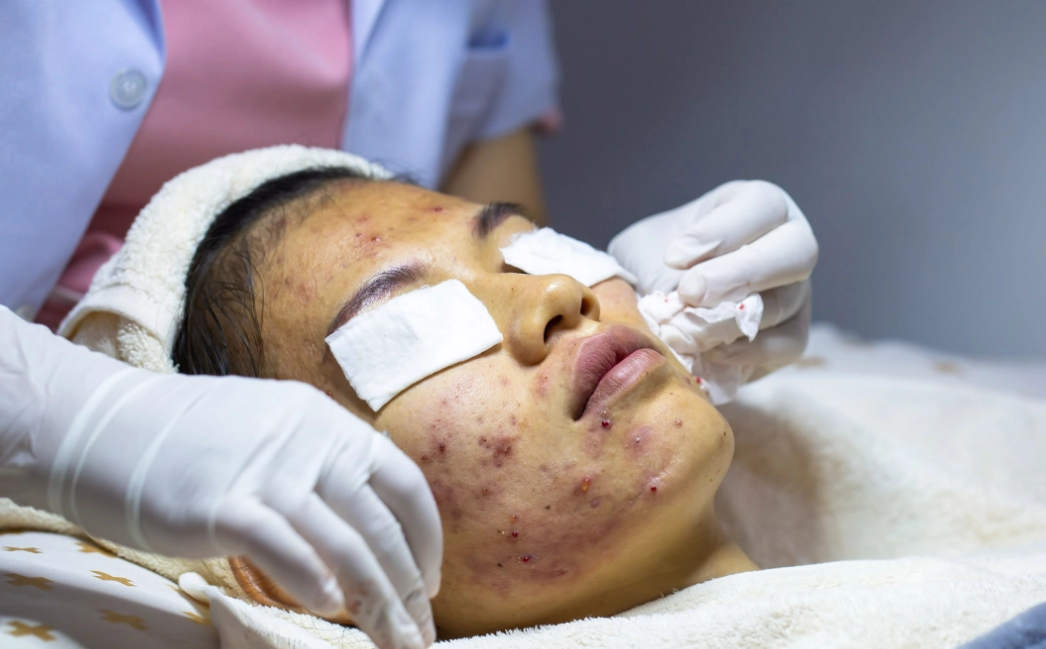
Chemical Peels: Using higher concentrations of acids (like glycolic, salicylic, or TCA) than you can get at home, peels deeply exfoliate, unclog pores, and reduce inflammation. A series of salicylic acid peels can be incredibly effective for active acne. Cost: $150-$300 per session.
Laser and Light Therapies: Devices like pulsed-dye lasers target redness and inflammation, while blue light therapy kills acne bacteria. These are often used as adjuncts to other treatments. They're expensive ($200-$500 per session, multiple sessions needed) and not a first-line option for most.
Cortisone Injections: For a giant, painful cyst that's ruining your week, a dermatologist can inject a diluted corticosteroid directly into it. This dramatically reduces inflammation, pain, and size within 24-48 hours, and can prevent scarring. It's a spot treatment, not a whole-face solution.
Building Your Daily Skin Fortress: A Non-Negotiable Routine
Your treatment actives won't work well if your skin barrier is compromised. Think of your routine as the supportive foundation. Stripping your skin is the enemy.
1. Cleanse Gently: Use a mild, non-foaming cleanser morning and night. Foaming cleansers often contain sulfates that can be overly drying. CeraVe Hydrating Facial Cleanser or La Roche-Posay Toleriane Hydrating Gentle Cleanser are excellent choices.
2. Treat (This is where your active goes): Apply your treatment product (BPO, retinoid, etc.) to clean, dry skin. Start slowly—2-3 times a week—and build up tolerance.
3. Moisturize, Always: Yes, even if your skin is oily. Dehydrated skin produces more oil to compensate. Look for oil-free, non-comedogenic formulas with ceramides, hyaluronic acid, or niacinamide. Vanicream Daily Facial Moisturizer is a simple, reliable option.
4. Sunscreen, Non-Negotiable: Every single day. Many acne treatments (retinoids, AHAs, antibiotics) make your skin more sensitive to the sun. Sun damage also worsens post-inflammatory hyperpigmentation. Use a mineral (zinc oxide/titanium dioxide) or lightweight chemical sunscreen SPF 30+. EltaMD UV Clear Broad-Spectrum SPF 46 is a dermatologist favorite for acne-prone skin.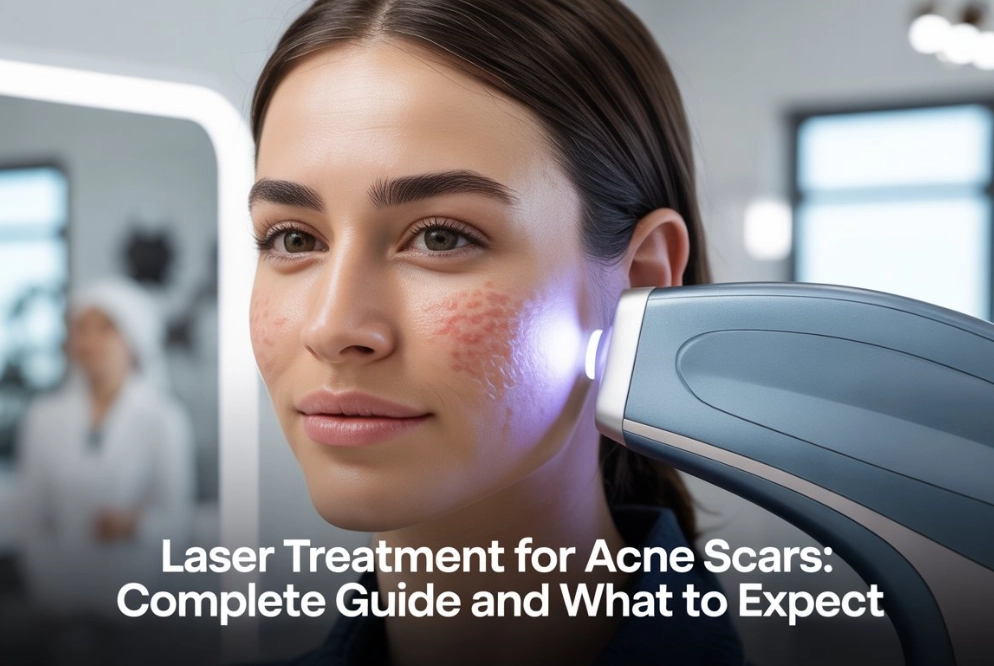
What Most People Get Wrong (And How to Fix It)
I've seen these patterns over and over. Avoiding these pitfalls can save you months of frustration.
Over-Cleansing and Over-Exfoliating: Scrubbing your face raw with harsh cleansers or physical scrubs twice a day damages your skin barrier. This leads to more inflammation, more sensitivity, and often, more breakouts. Fix it: Use your gentle cleanser with your fingertips, no washcloths or brushes. Exfoliate with chemicals (AHAs/BHAs) only 1-3 times a week max.
Using Too Many Actives at Once: Starting benzoyl peroxide, salicylic acid, and a retinoid all in the same week is a recipe for a red, peeling, miserable face. Fix it: Introduce one new active at a time. Wait at least 2-4 weeks to see how your skin reacts before adding another.
Picking and Popping: I know it's tempting. But every time you pick, you're pushing bacteria and inflammation deeper, dramatically increasing the risk of scarring and prolonging healing. Fix it: Put hydrocolloid pimple patches (like COSRX Acne Pimple Master Patch) on spots overnight. They absorb gunk and provide a physical barrier against picking.
Neglecting Moisturizer: "My skin is oily, I don't need it." This is a myth that leads to a compromised barrier and often, rebound oiliness. Your skin needs hydration to function properly and heal.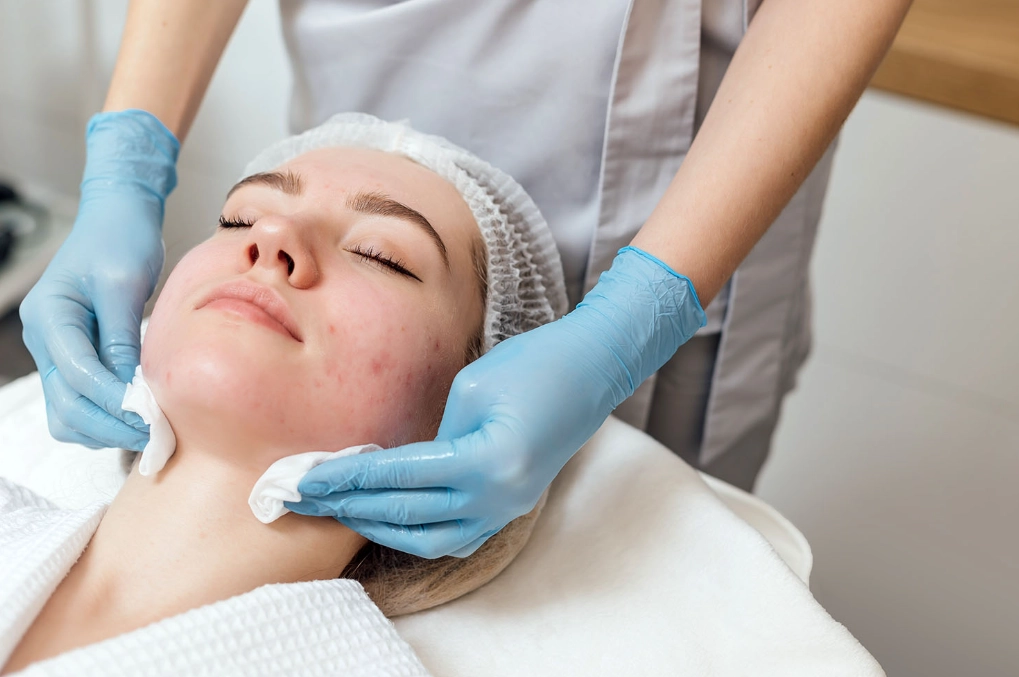
Your Burning Acne Questions, Answered
 I keep getting painful cysts along my jawline. Is this hormonal, and what can I do?
The Final Word: Successfully treating acne is a marathon, not a sprint. It requires diagnosing your specific type, choosing the right active ingredients, supporting your skin barrier with a gentle routine, and having the patience to let it work. When self-care hits its limit, consulting a dermatologist isn't a defeat—it's a strategic power-up. Clear skin is a process, but it's a process that works.




Leave a comment