Let's cut through the noise. You're here because you're looking for clear signs you can't get pregnant, not vague platitudes. Maybe your period has always been a mystery, or you've been trying for a while with no luck. The worry creeps in. Is something wrong? The internet is full of conflicting advice, which just adds to the stress.
I've spent over a decade working with women and couples navigating fertility questions. The biggest mistake I see? People either panic over every little twinge or dismiss major red flags for years, thinking "it'll just happen." Neither approach helps. This guide is designed to help you understand what your body might actually be telling you, separating common concerns from potential indicators of a deeper issue. Knowledge is the first step toward taking control.
What's Inside This Guide
What Are the Primary Physical Signs of Potential Infertility?
Your menstrual cycle is your body's monthly report card on reproductive health. When it's off, it's often the first and most obvious sign something might be interfering with conception.
Irregular or Absent Periods (Amenorrhea)
This isn't about being a day or two late. We're talking cycles that are consistently shorter than 21 days or longer than 35 days, or periods that vanish for three months or more (outside of pregnancy, breastfeeding, or menopause).
Why it matters: Regular ovulation is non-negotiable for pregnancy. Irregular cycles often mean irregular or absent ovulation. I had a client, Sarah, who had cycles ranging from 45 to 90 days for years. She thought it was just "her normal." It turned out to be a classic sign of Polycystic Ovary Syndrome (PCOS), a leading cause of ovulatory infertility. She spent years in the dark because no one connected the dots for her.
Very Light or Extremely Heavy Bleeding
Pay attention to the volume. Scant periods that only last a day or two might suggest a thin uterine lining, which an embryo can't implant in. Conversely, flooding through super-plus tampons or pads every hour, or passing large clots, can indicate issues like fibroids, polyps, or adenomyosis.
It's not just about inconvenience. These conditions can physically block implantation or create a hostile uterine environment.
Hormonal Clues You Might Be Missing
Hormones are the invisible conductors of your fertility symphony. When they're out of tune, the music stops. Some signs are subtle but telling.
- Unexplained Weight Changes: Sudden, significant weight gain or loss without a clear diet or exercise shift can disrupt ovulation. Body fat produces and stores estrogen, and major fluctuations throw the system off.
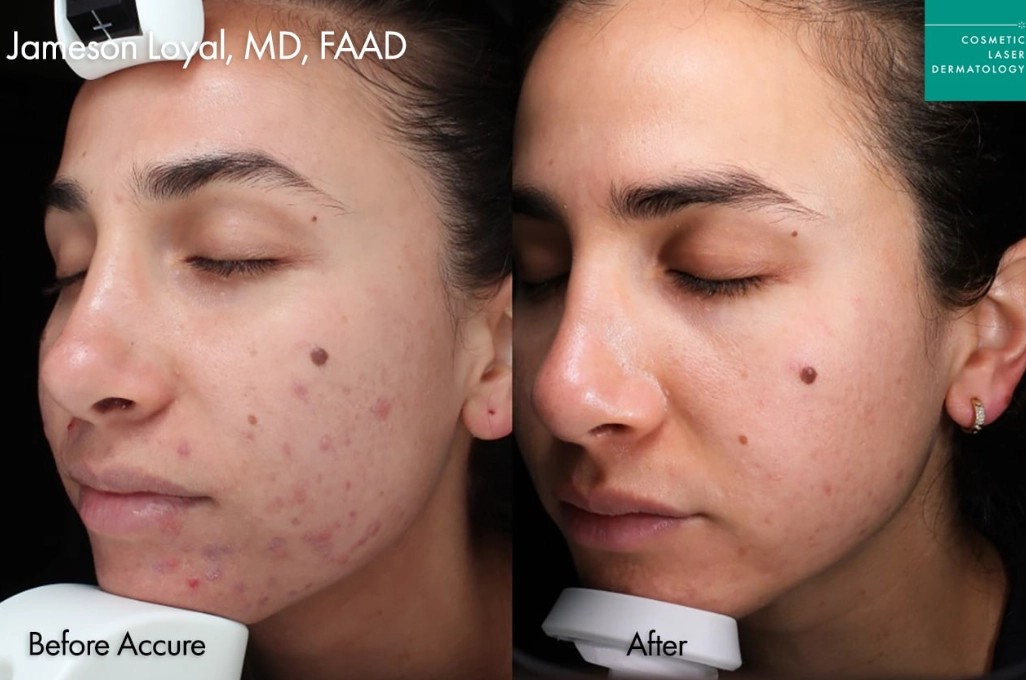
- New or Worsening Acne & Excessive Hair Growth: Acne along the jawline or new, coarse hair on the face, chest, or abdomen (hirsutism) are classic external signs of high androgen levels, commonly seen in PCOS.
- Milky Nipple Discharge (Galactorrhea): If you're not breastfeeding and notice this, it can point to elevated prolactin, a hormone that suppresses ovulation.
- Changes in Cervical Mucus: You might have heard about "egg-white" mucus around ovulation. If you never see this fertile-quality mucus, it could indicate an issue with estrogen production or cervical health.
Many women brush these off as cosmetic or stress-related. They're not. They're billboards for internal hormonal imbalances that directly impact egg quality and release.
When Pain Is More Than Just a Bad Period
Society has normalized "killer" cramps. But debilitating pain that disrupts your life is not normal. It's a signal.
Severe Pelvic Pain: Pain during intercourse (dyspareunia), ovulation (mittelschmerz), bowel movements, or urination can be a hallmark of endometriosis. This condition, where tissue similar to the uterine lining grows outside the uterus, causes inflammation and scarring that can damage the ovaries and fallopian tubes.
Painful Periods That Worsen Over Time: This is a huge red flag often missed. If your cramps get progressively worse each year, don't just reach for more ibuprofen. Mention this pattern to your doctor. It's a classic endometriosis story.
The silent factor? Asymptomatic Blockages. Here's a non-consensus point many don't discuss: You can have perfectly regular cycles and zero pain but still have blocked fallopian tubes from a past, silent infection like Chlamydia. The only way to know is through specific testing like a hysterosalpingogram (HSG).
How to Objectively Assess These Signs
Feeling overwhelmed? Let's break it down. Not every sign is a definitive diagnosis, but patterns matter. This table can help you see the bigger picture.
| Sign or Symptom | What It Might Indicate | Typical Next Step for Investigation |
|---|---|---|
| Irregular/Absent Periods | Ovulation disorders (PCOS, hypothalamic amenorrhea), thyroid issues, premature ovarian insufficiency. | Cycle tracking, blood tests for hormones (FSH, LH, TSH, AMH), pelvic ultrasound. |
| Severe Pelvic Pain & Painful Periods | Endometriosis, adenomyosis, pelvic inflammatory disease (PID), fibroids. | Detailed symptom history, pelvic exam, transvaginal ultrasound, possibly diagnostic laparoscopy. |
| Hormonal Signs (Acne, Hair Growth) | Elevated androgens, often due to PCOS. | Blood tests for testosterone, DHEA-S; pelvic ultrasound to check ovarian cysts. |
| No Signs At All (But Not Conceiving) | Unexplained infertility, tubal blockage, male factor infertility, subtle ovulation issues. | Comprehensive workup for both partners: semen analysis, HSG, more advanced hormone/ovulation tests. |
See that last row? It's crucial. The absence of obvious signs doesn't guarantee everything is fine if conception isn't happening after a reasonable time (defined as one year if under 35, or six months if 35+).
Clear Next Steps: From Tracking to the Doctor's Office
So you've identified with some of these signs. What now? Don't spiral. Take systematic action.
Step 1: Gather Your Data. Commit to tracking 3-4 cycles meticulously. Use an app like Fertility Friend (it's less pretty but more accurate) or a paper chart. Track basal body temperature (BBT) upon waking and cervical mucus. This isn't old wives' tales; it's biofeedback. It tells you if and when you ovulate.
Step 2: The Pre-Visit Checklist. Before you see a doctor, write down:
- Your complete menstrual history (age at first period, cycle length range, flow details).
- All symptoms, even seemingly unrelated ones (fatigue, hair loss, skin changes).
- Your family history (early menopause, PCOS, endometriosis in mother/sisters).
- Any past infections, surgeries, or medical conditions.
Step 3: Choosing the Right Doctor & What to Expect. Start with your OB/GYN, but be prepared. Many are wonderful for routine care but have limited time for complex fertility investigations. If your concerns are dismissed, seek a Reproductive Endocrinologist (RE). These are OB/GYNs with extra fellowship training in infertility. The American Society for Reproductive Medicine (ASRM) has a find-a-doctor tool.
The initial workup usually involves:
- Blood tests on specific cycle days to check ovarian reserve (AMH, FSH), thyroid (TSH), and ovulation (progesterone).
- A transvaginal ultrasound to look at your ovaries and uterus.
- For your partner, a semen analysis is non-negotiable and should be step one. Male factor contributes to 40-50% of cases.
Your Fertility Questions, Answered Honestly
I have regular periods every 28 days. Does that mean I can definitely get pregnant?
Regular periods are a great sign, but they don't guarantee ovulation is happening optimally, or that other factors (like tubal health or sperm quality) are in place. You can have an anovulatory cycle that still triggers a bleed. Tracking BBT or using ovulation predictor kits (OPKs) can confirm ovulation is actually occurring.
Can stress alone cause infertility and be the main sign I can't conceive?
This is overblown. Chronic, severe stress can disrupt ovulation in some women, leading to irregular cycles. But everyday stress is unlikely to be the sole cause of infertility in an otherwise healthy couple. If you have regular cycles, stress is probably not the primary blocker. Focusing excessively on "de-stressing" can add more pressure. Address obvious physical signs first.
 At what age should I start worrying about these signs?
Age is a separate, powerful factor. A 25-year-old with irregular periods and PCOS has a different prognosis and treatment path than a 38-year-old with the same symptoms. Regardless of age, any severe pain or absence of periods warrants investigation. But if you're over 35 and haven't conceived after 6 months of trying, seek an evaluation promptly—don't wait the full year.
Are there any "at-home" tests that are actually reliable for checking fertility?
Some have value, but with major caveats. At-home sperm analysis kits (like YO or Legacy) can give a rough idea of sperm count. At-home blood tests for AMH (like Modern Fertility) can give a snapshot of ovarian reserve. However, these are single data points. They can't diagnose blocked tubes, endometriosis, or many hormonal imbalances. They're a starting point for conversation, not a diagnosis.
I've been diagnosed with a condition like PCOS. Does that mean I absolutely can't get pregnant?
Absolutely not. A diagnosis is not a life sentence of infertility. It's a roadmap. PCOS, endometriosis, and many other conditions are manageable. They mean your path to pregnancy might require more targeted help—lifestyle changes, ovulation induction medication, or assisted reproductive technology like IUI or IVF. Success rates are very real with proper treatment.
The journey of looking for signs you can't get pregnant is emotionally taxing. It's easy to fall into a rabbit hole of fear and misinformation. Remember, a sign is just that—a signal. It's not a final verdict. Use this information not to panic, but to empower yourself to have informed, productive conversations with healthcare providers. Your body is talking. The goal is to learn how to listen, understand, and then take the most effective action for you.




Leave a comment