Let's get straight to the point. Heart disease isn't a "man's problem." It's the leading cause of death for women in the United States and most parts of the world. Yet, the narrative, the symptoms, and even the medical response often feel like they were written for someone else. I've spent over a decade in cardiac health advocacy, and the number of women who tell me, "I just didn't know the signs were different," is staggering. This isn't about fear. It's about power—the power that comes from knowing what to look for, when to push back, and how to build a defense for your most vital organ.
Your Quick Guide to Heart Health
How Heart Disease Symptoms Differ in Women (It's Not Just Chest Pain)
The classic Hollywood heart attack—a man clutching his chest and collapsing—has done a disservice to women's health. For many women, a heart attack is a quieter, more confusing event. The pain might not even be in the chest.
Here’s what you're more likely to feel:
- Unusual Fatigue: This isn't normal tiredness. I'm talking about a sudden, crushing fatigue that makes it hard to make your bed or walk to the mailbox. One client described it as "having the flu, but without the fever." It can hit weeks before an actual cardiac event.
- Shortness of Breath: This can happen with or without chest discomfort. You might get winded doing simple tasks that never bothered you before.
- Pain in the Neck, Jaw, Shoulder, or Back: This pain can be gradual or sudden. It may come and go before becoming intense. Women often mistake it for muscle strain or tension.
- Nausea, Vomiting, or Indigestion: Severe, unexplained stomach upset is a red flag many ignore. It's more common in women than men during a heart attack.
- Lightheadedness or Dizziness: Feeling like you might pass out, even if you're just sitting still.
The subtlety is the danger. Because these symptoms don't scream "HEART!" women often delay seeking help. They take an antacid, blame stress, or try to sleep it off. That delay costs lives. If a cluster of these symptoms comes on suddenly and feels "not right," trust your gut. Call emergency services. Don't drive yourself.
Age-Specific Risks: Your 40s, 50s, 60s and Beyond
Your risk isn't static. It evolves with your life stages, largely due to hormonal shifts. Understanding this timeline is crucial.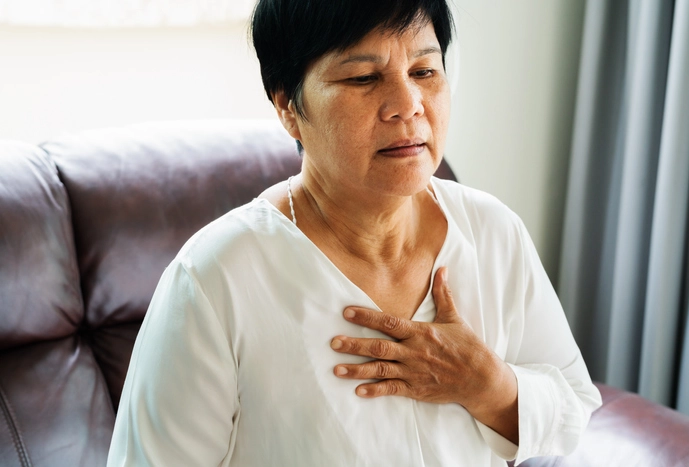
In Your 40s: The Foundation Years
This is where habits cement. The decline in estrogen begins subtly. You might notice your blood pressure or cholesterol creeping up. This is not the time to ignore it because you "feel fine." It's the perfect time to establish a baseline with your doctor. Get your numbers checked: blood pressure, cholesterol (including the often-overlooked lipoprotein(a)), and fasting blood sugar. Think of it as a financial audit for your health.
In Your 50s: The Transition Zone
Menopause, typically occurring around 51, is a game-changer. The protective effect of estrogen drops significantly. This can lead to a rise in LDL ("bad") cholesterol, a drop in HDL ("good") cholesterol, and an increase in fat around the abdomen—a major risk factor. The symptoms I listed earlier become even more important to recognize. This decade requires proactive management, not passive observation.
60s and Beyond: Vigilance and Management
The cumulative effects of lifestyle and genetics come into full view. The risk continues to rise. However, this is not a sentence. It's a call for optimized management. Medication adherence, tailored physical activity, and social connection (loneliness is a surprising but real cardiac risk) become paramount. Prevention now focuses heavily on avoiding a first or second event.
A non-consensus point: Many women in perimenopause are told their palpitations and shortness of breath are "just anxiety" or "normal menopause." While hormones can cause these sensations, it's a dangerous dismissal. Insist on a workup to rule out cardiac causes first. It's far better to have an EKG and stress test come back normal than to assume it's "just nerves" and be wrong.
Your 5-Step Action Plan for Prevention & Early Detection
Information is useless without action. Here's a concrete, start-tomorrow plan.
1. Know Your Numbers, Not Just Your Weight. Memorize these: Blood Pressure (target below 120/80), LDL Cholesterol (ideally under 100 mg/dL), Fasting Blood Sugar (under 100 mg/dL), and Waist Circumference (less than 35 inches). Track them yearly, or more often if advised.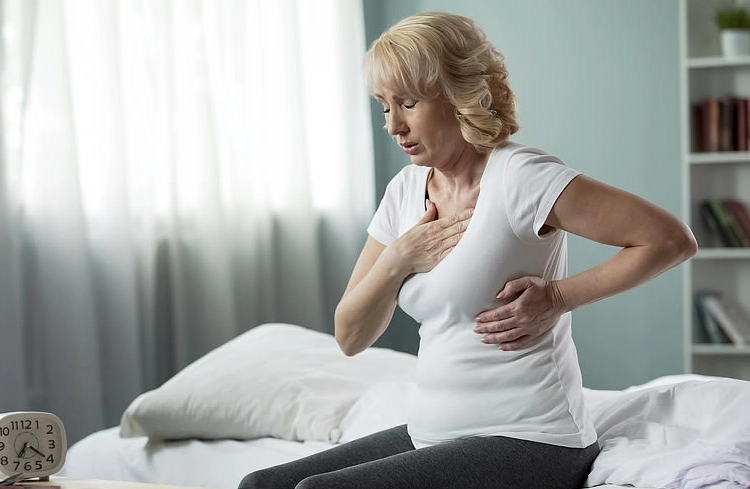
2. Move with Purpose, Not Pain. You don't need a marathon. Aim for 150 minutes of moderate activity (brisk walking where you can talk but not sing) per week. The secret? Break it into 10-minute chunks. Walk in the morning, take the stairs, dance while cooking. Consistency beats intensity every time.
3. Rethink Your Plate. Ditch the restrictive diet mindset. Use the Harvard Healthy Eating Plate model: fill half your plate with colorful vegetables and fruits, a quarter with whole grains, and a quarter with lean protein. Add healthy fats like olive oil and avocado. Cook one more meal at home this week than you did last week.
4. Audit Your Stress & Sleep. Chronic stress floods your body with cortisol, raising blood pressure and inflammation. Find your pressure valve—5 minutes of deep breathing, a walk in nature, journaling. Prioritize 7-8 hours of sleep. Poor sleep is linked to higher heart disease risk, independent of other factors.
5. Build Your Health Team. Your primary care doctor is your quarterback. See them annually. Consider adding a registered dietitian for nutrition and a therapist for stress management if needed. You are the CEO of this team.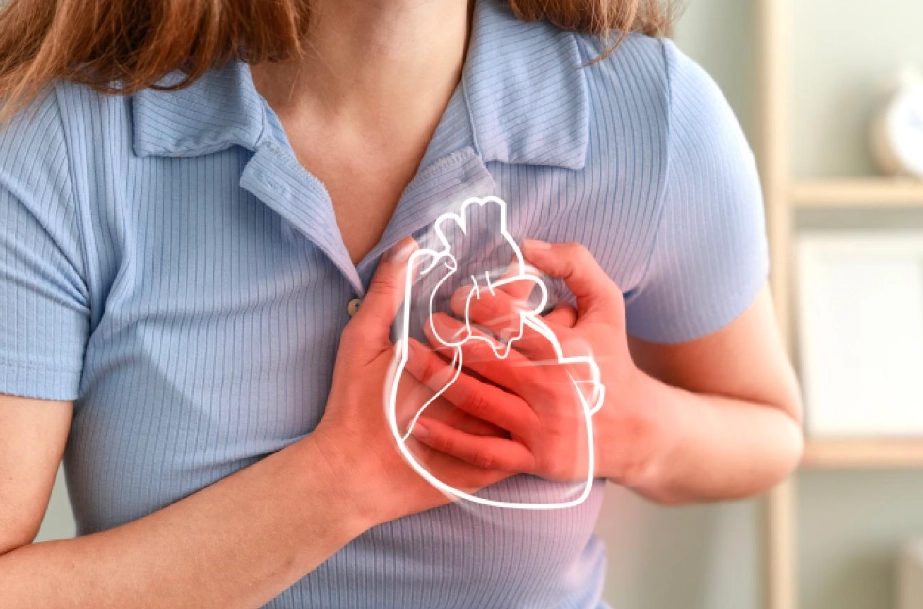
How to Talk to Your Doctor About Your Heart
Doctors are rushed. You need to be clear. Don't just say "I'm tired." That's too vague. Frame your concerns specifically and assertively.
Instead of: "I've been having some chest stuff."
Try: "For the past two weeks, I've been experiencing a pressure in the center of my chest that radiates to my jaw when I walk up the hill to my house. It goes away after I rest for 5 minutes."
Come prepared. Bring a list of your symptoms, when they happen, and what makes them better or worse. Bring your list of medications and supplements. And if you feel dismissed? Say this: "I understand that could be the case, but given my family history/my risk factors, I would feel more comfortable if we could rule out a cardiac cause. What would be the next step to do that?" This is collaborative, not confrontational.
Heart Health Questions, Answered
It's the most common question I get. The key is the quality of the fatigue. Life-busy fatigue usually improves with rest. Cardiac-related fatigue is profound and disproportionate. Does a full night's sleep not touch it? Do you feel wiped out after simple tasks that used to be easy, like grocery shopping? That's a red flag. Before you chalk it up to age or stress, get your iron levels (ferritin) and thyroid checked, and discuss your heart health with your doctor. Excluding cardiac causes is step one.
Not at all. Genetics load the gun, but lifestyle pulls the trigger. A family history is a powerful warning sign, not a fate. It means you need to be more vigilant, start screenings earlier, and be meticulous about the controllable factors: diet, exercise, not smoking, managing blood pressure and cholesterol. Think of it as having the blueprint for what to avoid. You have more power than you think to change the trajectory.
This is a nuanced area where timing is everything. The old, large studies that linked HRT to increased heart disease risk looked at women who started therapy long after menopause began. Current understanding suggests that starting HRT around the time of menopause (the "window of opportunity") to treat severe symptoms like hot flashes may have a neutral or even slightly beneficial effect on heart health for many women. However, it is not recommended solely for heart disease prevention. The decision is highly individual, based on your symptom severity, personal and family health history, and age. A detailed conversation with a gynecologist or menopause specialist is non-negotiable.
Add a tablespoon of ground flaxseed to your yogurt, oatmeal, or smoothie. It's rich in fiber and omega-3s, which help lower inflammation and bad cholesterol. It's cheap, easy, and has a mild, nutty flavor. That's your first small win. Do that today, and build from there.


Leave a comment